
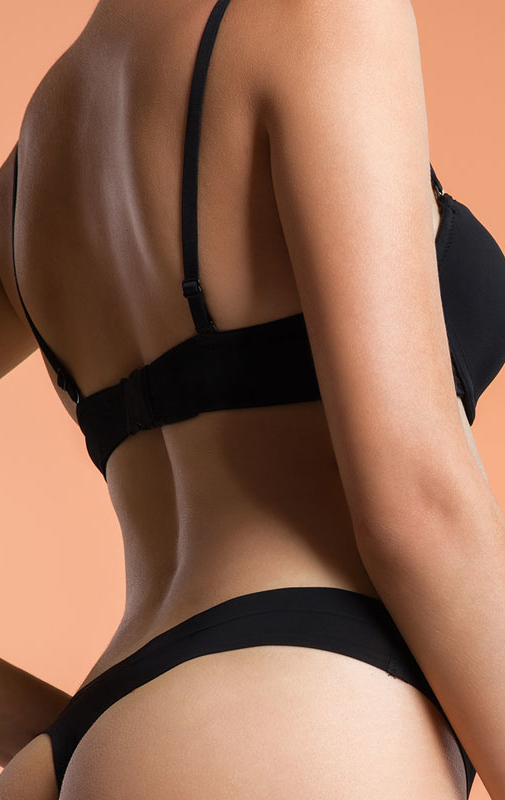
An upper body lift is designed to address loose, sagging skin and excess fat in the upper torso, back, and sides of the chest. These changes are often the result of significant weight loss, ageing, or reduced skin elasticity over time. The procedure can help smooth bulges, tighten skin, and create a more defined and balanced shape. It is often chosen by people who feel self-conscious about the way clothing fits, or who experience discomfort due to excess skin folds.
Plastic & Reconstructive Surgery - Body
Upper Body Lift
An upper body lift is designed to address loose, sagging skin and excess fat in the upper torso, back, and sides of the chest. These changes are often the result of significant weight loss, ageing, or reduced skin elasticity over time. The procedure can help smooth bulges, tighten skin, and create a more defined and balanced shape. It is often chosen by people who feel self-conscious about the way clothing fits, or who experience discomfort due to excess skin folds.
Procedure Overview
An upper body lift is suitable for people who have significant loose skin and soft tissue in the upper torso region, particularly after major weight loss or due to ageing. Ideal candidates are in good general health, maintain a stable weight, and have realistic expectations about the outcome. It is often chosen by those who want to improve the contour of their upper body when viewed both from the front and back, and who have not seen sufficient improvement from diet and exercise alone. Since the advent of GLP-1 agonists, such as Mounjaro, Ozempic or Wegovy, body contouring procedures have gained popularity.
Aim
The surgery aims to lift and contour the upper back, chest, and lateral breast area by removing redundant skin and reshaping the tissue.
At A Glance
Tailored to each patient, this procedure offers transformative results for improved confidence.
Expected results:
Smoother upper torso and improved contour
Treatment time:
3–5 hours
Anaesthesia:
General anaesthetic
Recovery time:
4–6 weeks
Return to work:
2–3 weeks (if sedentary work), 6 weeks if manual work or time on feet
Lifetime of procedure:
Long-lasting
CONSULTATION
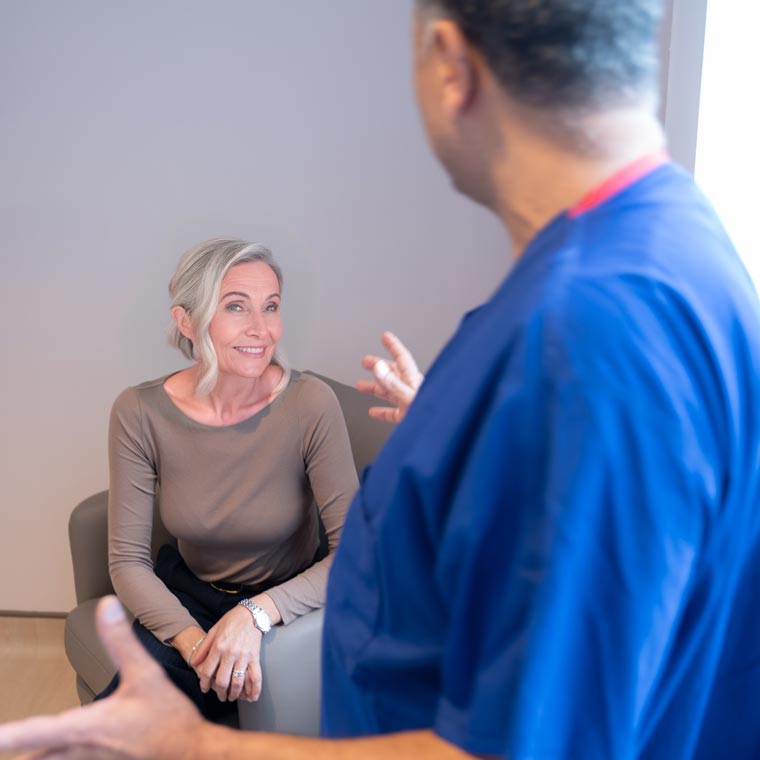
At your consultation, the surgeon will discuss your concerns, goals, and medical history to assess whether an upper body lift is the right option for you. They will carefully examine the areas of concern, noting the quality of your skin, the distribution of soft tissue, and the overall balance of your body shape. Photographs may be taken to help with planning and to allow you to visualise potential results. Your surgeon will explain the surgical technique, likely scarring, recovery expectations, and possible risks. You will also receive advice on preparing for surgery, including guidance on diet, exercise, and stopping smoking if applicable. The consultation is an opportunity to ask any questions and ensure you are fully informed and confident before proceeding.
PREOP PREPARATION
Setting aside time to focus on preparation before you attend for surgery is important if you wish a successful outcome. Healthy eating (avoiding refined sugars, and ultra processed foods), reducing alcohol consumption and stopping smoking, vaping or taking recreational drugs is extremely important in the 6 weeks running up to surgery. In addition it is also important to train the relevant muscles so that they are fully primed for the recovery phase. Working on core strength so that all the abdominal muscles are as strong as possible will help your body cope with the surgical makeover. For upper body lift treatments it would also be recommended to work on weight training the chest and back muscles so that they are in optimal shape to help with recovery. Regular respiratory deep breathing techniques such as breath exercises used with yoga or diving are important when having a general anaesthetic as there will be less chance of developing breathing problems in the recovery phase.
SURGERY
An upper body lift is carried out under general anaesthetic. The surgeon makes incisions along the back and sides of the chest, which may extend towards the front of the chest depending on the area being treated. Excess skin and fat are removed, and the remaining skin is tightened and redraped to create a smoother contour. In some cases, liposuction may be used alongside skin removal to further refine the shape. Incisions are closed with sutures, and dressings or compression garments are applied to support the new contours and help reduce swelling.
Occasionally your surgeon may need to place drains in place underneath the skin to remove any fluid from the wound bed. These drains are temporary and are usually removed in the days after surgery.
RECOVERY
Most patients will need to stay in hospital overnight for monitoring. In the days following surgery, you can expect bruising, swelling, and some discomfort, which can be managed with pain-relieving medication. A compression garment will need to be worn for several weeks to aid healing and support the results. Light activity can usually be resumed after two weeks, but strenuous activity, heavy lifting, and upper body exercises should be avoided for at least six weeks. Follow-up appointments will be scheduled to monitor your recovery and remove sutures if needed. The final results will become increasingly visible as swelling subsides over the following months.

Related Concerns
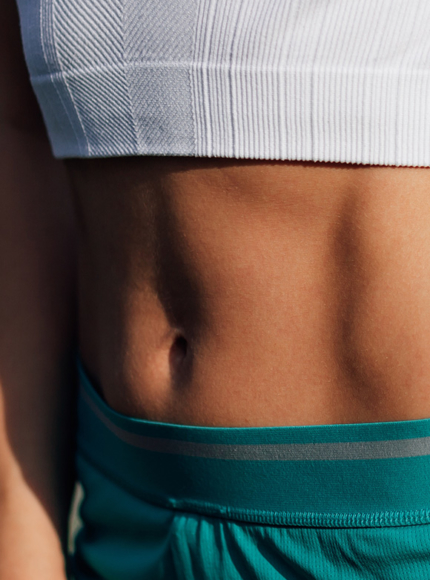
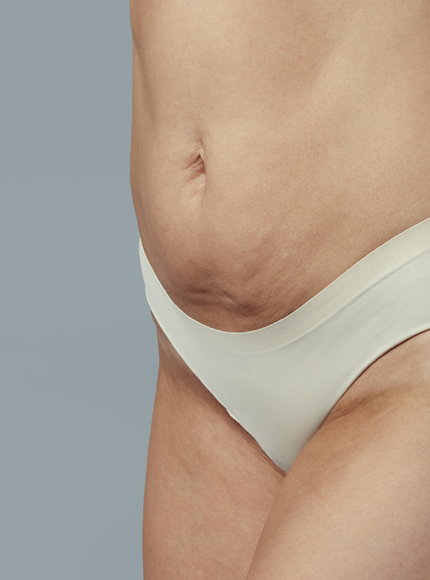
This procedure can treat the following conditions providing optimal outcomes.
Frequently Asked Questions
Is upper body lift surgery safe?
Yes. When performed by an experienced surgeon, the procedure is safe. Risks include wound complications, infection, scarring, and numbness. These are generally manageable and discussed during consultation.
Will I have visible scars?
Yes. Scars are typically placed where they can be hidden beneath clothing or bras. Scar care strategies will be discussed during follow-up.
How long is the recovery?
You should plan for 2–3 weeks off work and 4–6 weeks of restricted activity. Most swelling and discomfort resolve in the first few weeks.
Are results permanent?
Yes. Provided your weight remains stable, the results are long-lasting. However, natural ageing may cause some future skin laxity.
Can this be combined with breast or arm surgery?
Yes. An upper body lift is often part of a combination treatment plan after weight loss, and can be done with breast lift or brachioplasty.
Will I need more than one procedure?
This depends on the severity of skin laxity and your goals. Your surgeon will advise whether the upper body lift should be staged or combined with other surgeries.

Guide Price
The cost for each procedure is tailored to each patients needs post a consultation.
Prices start from
Please enquire

Related Procedures
You may also be interested in the following procedures performed by a top specialists in a state-of-the-art setting.
From advanced surgical procedures to less invasive treatments, our expert team are here to ensure you receive safe, personalised and effective care.




Our Professionals
With decades of expertise, your specialist team will guide you through every aspect of your procedure.