
A facelift is a surgical procedure designed to reduce visible signs of ageing in the face by lifting and tightening sagging facial tissues. There are several techniques that can be used, depending on the degree of correction required and the specific areas of concern. Facial ageing is often frustrating for people as their face seems to age at a faster rate than their body and mind, and this can affect confidence in every day life and every time they look in the mirror.

Procedures —
Mini Facelift
Macs Lift
A facelift is a surgical procedure designed to reduce visible signs of ageing in the face by lifting and tightening sagging facial tissues. There are several techniques that can be used, depending on the degree of correction required and the specific areas of concern. Facial ageing is often frustrating for people as their face seems to age at a faster rate than their body and mind, and this can affect confidence in every day life and every time they look in the mirror.
Procedure Overview
This surgery is suitable for individuals experiencing facial sagging, jowls, or deep wrinkles in the lower third of the face. The procedure is less invasive than a full facelift, and has a shorter recovery time. It is most useful for those individuals who want to make some minor changes and rejuvenate their appearance.

Aim
The surgery aims to produce a naturally youthful face with reduced sagging and improved contours particularly in the lower third of the face where jowls occur around the jawline.
At A Glance
Tailored to each patient, this procedure offers transformative results for improved confidence.
Expected results:
Rejuvenated, youthful-looking face
Treatment time:
2–4 hours
Anaesthesia:
General anaesthetic or local anaesthetic
Recovery time:
2–3 weeks
Return to work:
1-2 weeks
Lifetime of procedure:
Long-lasting, though natural ageing continues. Over time additional treatments may be needed to maintain results

CONSULTATION
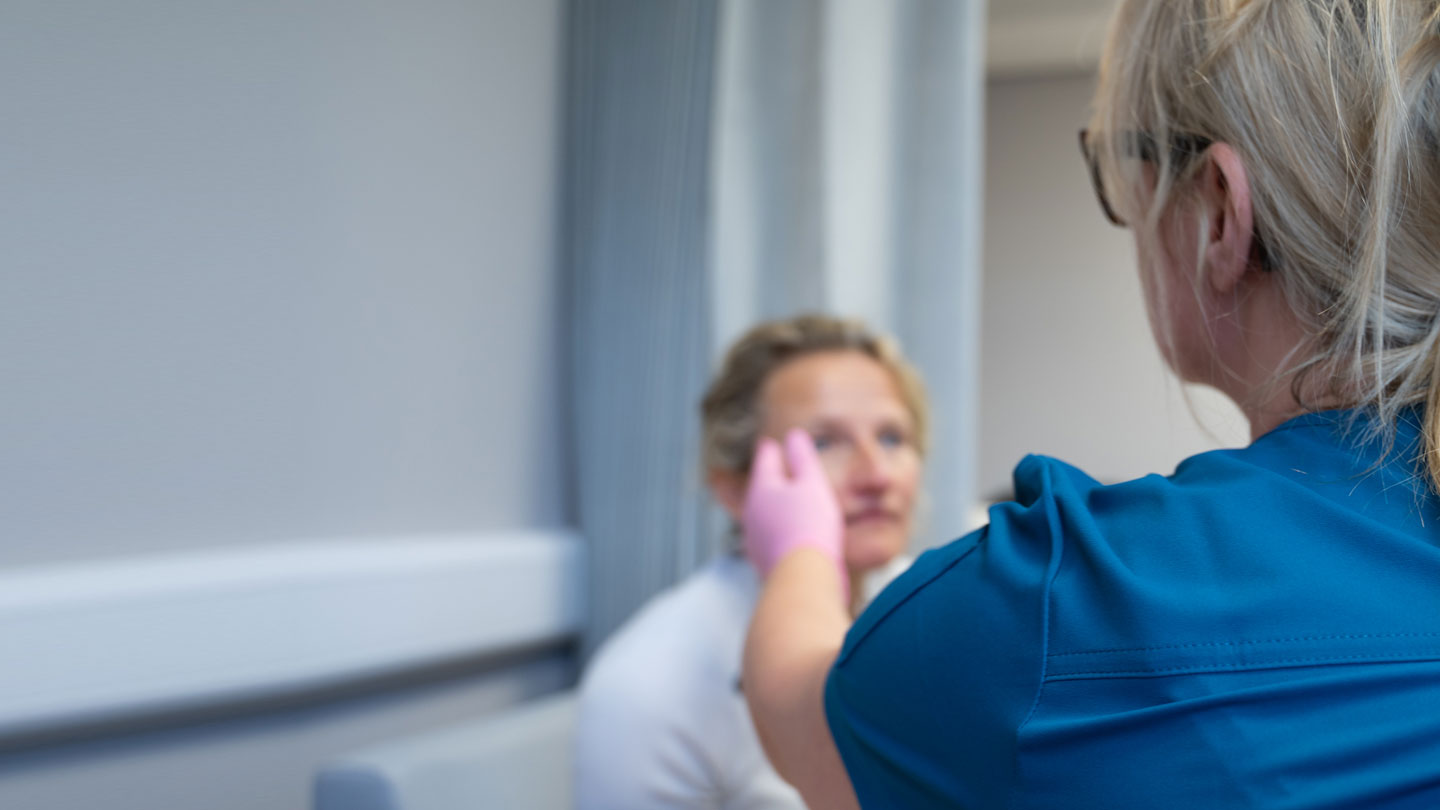
During the initial consultation, your surgeon will examine the degree of facial sagging and your aesthetic goals. The type of facelift—deep plane, SMAS, mini, or mid face—will be selected based on your individual anatomy and desired outcome. Your surgeon will also assess the elasticity of your skin and discuss realistic expectations.
The consultation will allow you to discuss your aims and wishes,and will allow your surgeon to fully examine your facial structure, the specific areas of concern, and discuss your general health and wellbeing. Photographs may be taken from different angles so that you can review these together before deciding on the most appropriate surgical technique for you.
You will have the chance to ask any questions, and talk through the risks and the recovery process. There will be no pressure at any stage to make a decision. We welcome and indeed encourage you to take the time to think things over at home, write down questions, and review all the information you will have been given. If you want a second, third or even fourth consultation before moving forwards then that is absolutely fine.
PREOP PREPARATION
Setting aside time to focus on preparation before you attend for surgery is important if you wish a successful outcome. Healthy eating (avoiding refined sugars, and ultra processed foods), reducing alcohol consumption and stopping smoking, vaping or taking recreational drugs is extremely important in the 6 weeks running up to surgery.
If you are unwell for any reason in the run up to surgery it is important to let your team know as occasionally it is safer to postpone any treatment until you are in full health. Please let your surgeon know if you are taking any herbal remedies, or blood thinners such as aspirin during your pre-op assessment as these may need to be stopped before surgery.
SURGICAL OPTIONS
There are plethora of different types of facelift, each with their own advantage or disadvantages, and your surgeon will be able to help you with making the decision on which option will suit you best.
MINI FACELIFT
The mini facelift or MACS facelift (minimum access cervical suspension) is performed under general anaesthesia or local anaesthetia with sedation in some cases. Incisions are typically made along the hairline, continuing around the ear and into the lower scalp in a similar manner to a full facelift, but they are shorter and less extensive. The underlying tissues are lifted and repositioned, and excess skin is removed.
Once the necessary adjustments are made, the wounds are closed with precision to minimise scarring.
This is a less invasive techinique and aimed at the younger individual seeking facial rejuvenation.
RECOVERY
You will usually stay in hospital overnight. It is advised to sleep propped upright with extra pillows so that swelling is reduced. There may be some surgical drains in place when you recover and these will be removed in the days following surgery. You may experience swelling, bruising, and tightness in the face for the first couple of weeks. Pain relief will be prescribed, and a compression garment may be used to reduce swelling.
Most patients return to non-strenuous work within 2 weeks. Initial results are typically visible after 6 weeks, with continued improvement over several months as swelling subsides and scars fade. Between 6-9 months you will expect to see the final outcome of your surgery by which time all of the swelling and scarring should have settled nicely.


Frequently Asked Questions
Is mini facelift surgery safe?
Facelift surgery is well established and generally safe when performed by a qualified plastic surgeon. As with any surgery, there are risks including infection, bleeding, scarring, or nerve injury. Choosing a reputable surgeon and following post-operative care instructions help minimise these risks. Permanent damage to the facial nerves is incredibly rare, but the risk is present and will be discussed with you in full before you decided to proceed with surgery.
Will the results look natural?
A mini facelift is designed to deliver a refreshed and natural appearance, without any obvious signs of having had surgery. Changes will be refreshing and subtle rather fundamentally changing your appearance.
How long do results last?
The results of a mini facelift are reasonably long-lasting, typically 3-5 years. However, the natural ageing process will continue.
Will I have visible scars?
Incisions are made in inconspicuous areas, such as the hairline and around the ears. Scarring is generally minimal and fades with time.
Does mini facelift surgery require an overnight stay?
Some mini facelifts are performed as day-case procedures, and some patients may stay overnight depending on the extent of surgery and their recovery.

Guide Price
The cost for each procedure is tailored to each patients needs post a consultation.
Prices start from
Please enquire

Related Procedures
You may also be interested in the following procedures performed by a top specialists in a state-of-the-art setting.
From advanced surgical procedures to less invasive treatments, our expert team are here to ensure you receive safe, personalised and effective care.





Our Professionals
With decades of expertise, your specialist team will guide you through every aspect of your procedure.