
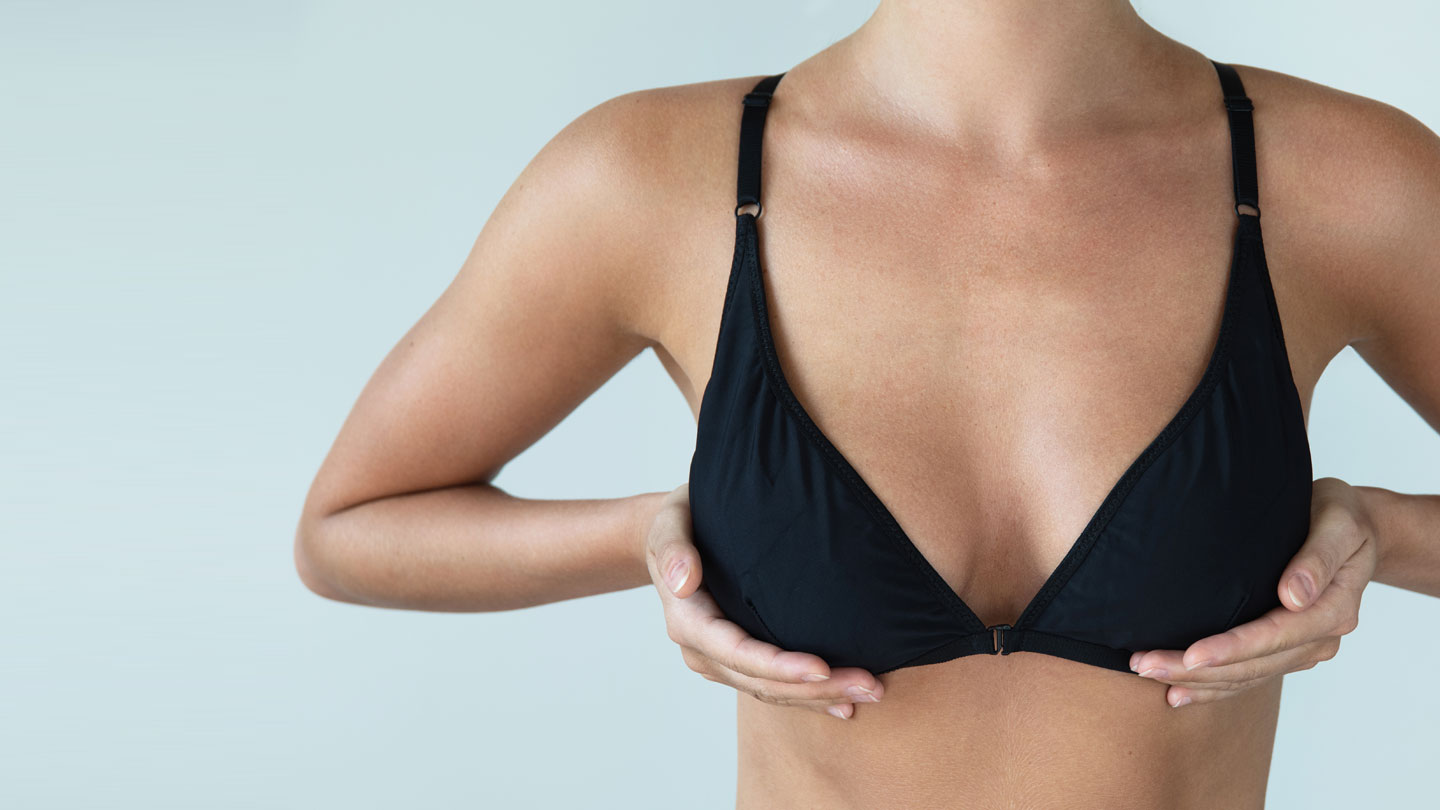
Revision breast surgery is undertaken to change the size and/or shape of the breasts, and it is specifically for those who have previously had breast augmentation surgery. The surgery can include replacing the original implants with new ones. It often also involves reshaping of the breast tissue around the implant, and it may be combined with a breast uplift procedure.
Plastic & Reconstructive Surgery — Breast
Revision Breast Surgery
Removal / Capsulectomy / Exchange implants
Revision breast surgery is undertaken to change the size and/or shape of the breasts, and it is specifically for those who have previously had breast augmentation surgery. The surgery can include replacing the original implants with new ones. It often also involves reshaping of the breast tissue around the implant, and it may be combined with a breast uplift procedure.
Procedure Overview
Revision breast surgery is for individuals who want to alter the appearance of their breasts at some stage after having had breast augmentation surgery. There are various possible reasons why an individual might seek this surgery. It may be a cosmetic matter, such that the individual feels that different size or differently shaped breasts would be more in line with their current preferences. Or it may be that the individual is experiencing physical discomfort or medical issues as a result of their original surgery, such as implant rupture or capsular contracture.
Aim
The surgery aims to deliver remodelled breasts in line with the needs and desires of the individual patient.
At A Glance
Tailored to each patient, this procedure offers transformative results for improved confidence.
Expected results:
Breasts of a revised size and shape that you are happy with
Treatment time:
1–2 hours
Anaesthesia:
General anaesthesia
Recovery time:
4–6 weeks
Return to work:
1–2 weeks
Lifetime of procedure:
Depends on the exact procedure being undertaken
CONSULTATION
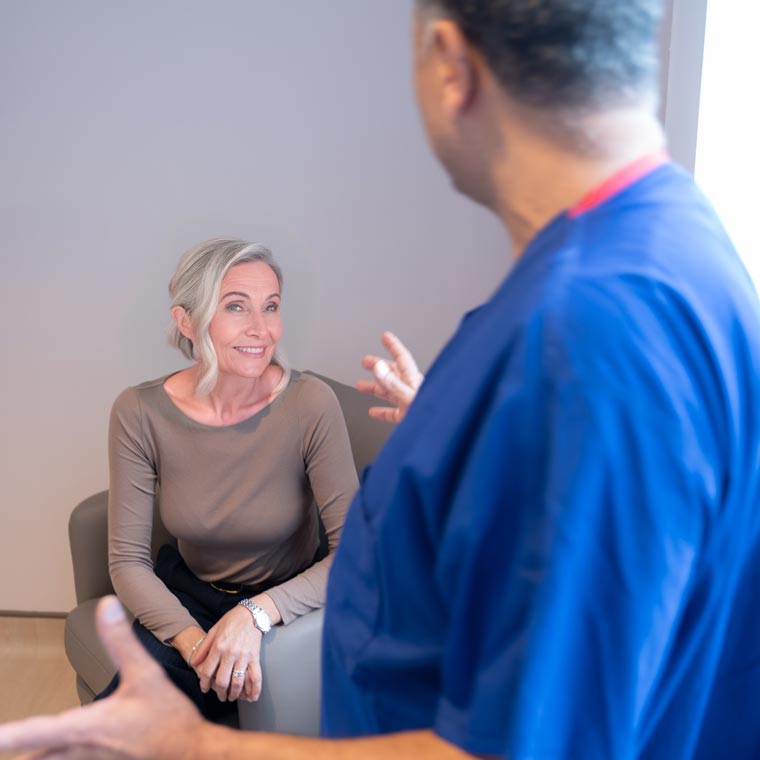
During the initial consultation, your surgeon will gain a precise understanding of your concerns about your breasts, whether these are primarily cosmetic or medical in nature. In close discussion with you, they will come up with a detailed plan for remodelling your breasts in a way that you will be satisfied with.
Sometimes you may feel that your current breast size no longer suits your preference. For others it may be that there were complications from the original breast surgery such as a displaced implant, or hardening of scar tissue around the implant.
Revision surgery is a little more involved and has higher complications due to scarring that is already present, and your surgeon will carefully outline what is possible and the safest way to approach any concerns.
SURGERY
Breast revision surgery is performed under general anaesthesia, and takes between 1 and 2 hours.
The nature of the surgery will depend on what sort of alterations you require to your breasts.
If possible, the surgeon will normally use the original incision sites, so as to minimise any further scarring. Having made the incisions, the surgeon will proceed with the revisions according to the agreed plan. This may simply entail simply removing your implants or replacing the old implants with new ones, or it may include further measures, such as reshaping the tissue around the new implants, or performing a breast uplift. If you are undertaking the surgery because of capsular contracture, the surgeon will remove the capsule. They may then insert new implants if that is the plan you have agreed on.
The surgery will conclude with the closing of the wounds in the optimal way to reduce scarring, and you will be transferred to the recovery area, where you will be carefully monitored as you regain consciousness from the anaesthetic.
RECOVERY
It is possible you will experience some pain and swelling in your breasts for a few days after surgery. You will be prescribed pain medication to help manage this. For several weeks after surgery, you will need to wear a surgical bra to support your breasts and assist the healing process. Your surgeon will advise you on when you can stop wearing this.
For the first two weeks following surgery, you should refrain from all strenuous physical activity. After two weeks, you may resume light exercise, but more intensive physical activity, such as heavy lifting, needs to be avoided for several weeks, and your surgeon will give you precise guidance on this. You should be able to return to work within two weeks of the surgery, unless your work is very physical in nature.
You will be given advice on how to care for your scars, so as to make them as inconspicuous as possible. The scars will look red and raised at first, but these will settle over time, until by 18 months post surgery they will have faded. Your surgeon may recommend surgical tape, silicone sheets or other aids to help the appearance of your scars.
The progress of your recovery will be monitored carefully in follow-up appointments with your surgeon. It is important to attend all of these both for your safety and in order to optimize results.

Related Concerns
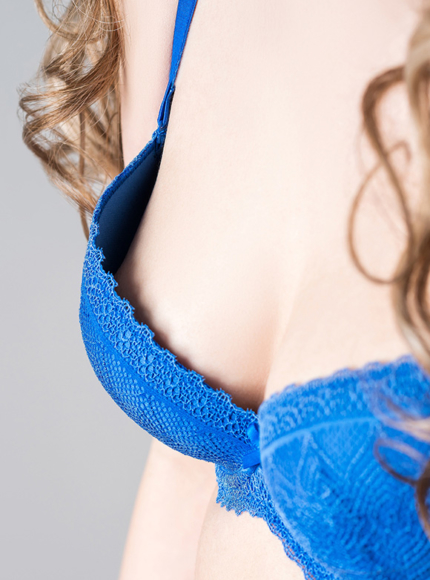
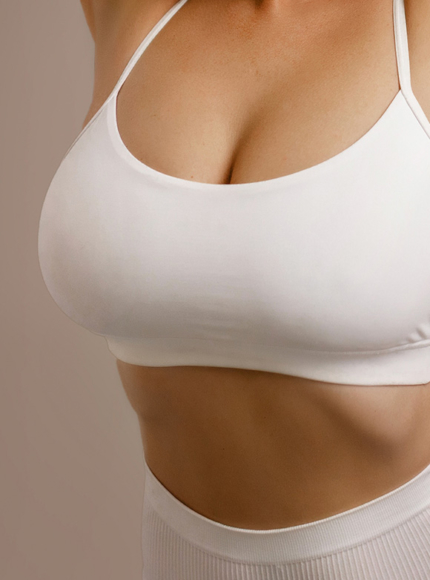
This procedure can treat the following conditions providing optimal outcomes.
Frequently Asked Questions
Is revision breast surgery safe?
All surgery involves some risk of infection and bleeding. Everything possible will be done to minimise this risk. Revision breast surgery also involves various more specific risks. It can cause changes in sensation in the breast and nipple area. It is also possible that you will not be entirely happy with the results, however much care and planning has gone into the procedure. Having your surgery performed by an experienced professional like those at Northwood Hospital will help reduce these risks to a minimum.
How long-lasting are the results?
This depends on the nature of the procedure that you are having. If you are having your original implants replaced, you should be aware that implants are not lifetime devices. They normally last 10–20 years, and need to be monitored regularly to ensure that they remain in good condition.
What is the aftercare for breast revision surgery?
You will be given follow-up appointments after surgery to monitor healing and progression of results. For around 6 weeks, you will need to wear a supportive surgical bra both day and night. This serves to minimise swelling and support healing. You should also avoid heavy lifting, strenuous exercise, and sleeping on your stomach during this time. Keeping incisions clean and dry throughout the healing process is essential to prevent infection. Minor discomfort is normal and can be managed with pain relieving medication. Following these guidelines will ensure a faster recovery and help achieve excellent long-lasting results.
When can I resume driving after surgery?
Patients can typically resume driving 1 to 2 weeks after breast revision surgery, provided they are no longer taking prescription pain medication, are pain free, and can do an emergency stop. It is important that you have full mobility in the arms and chest, and that the seatbelt does not irritate your breast area.
Does breast revision surgery require an overnight stay?
Most patients who undergo breast revision surgery will spend one night in the hospital and go home the following day. Patients must arrange for someone to drive them home and stay with them for the following 24 hours after surgery.
Guide Price
The cost for each procedure is tailored to each patients needs post a consultation.
Prices start from
Please enquire

Related Procedures
You may also be interested in the following procedures performed by a top specialists in a state-of-the-art setting.
From advanced surgical procedures to less invasive treatments, our expert team are here to ensure you receive safe, personalised and effective care.


Our Professionals
With decades of expertise, your specialist team will guide you through every aspect of your procedure.