
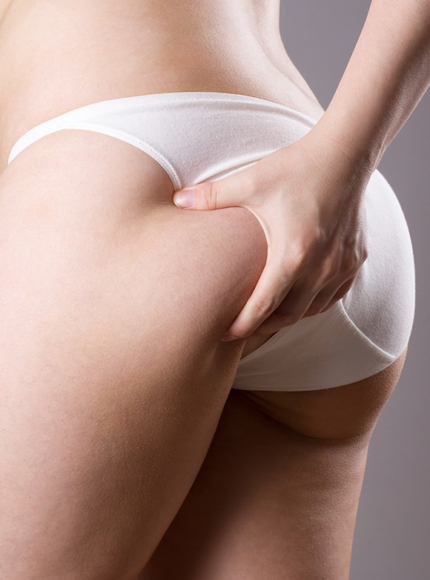
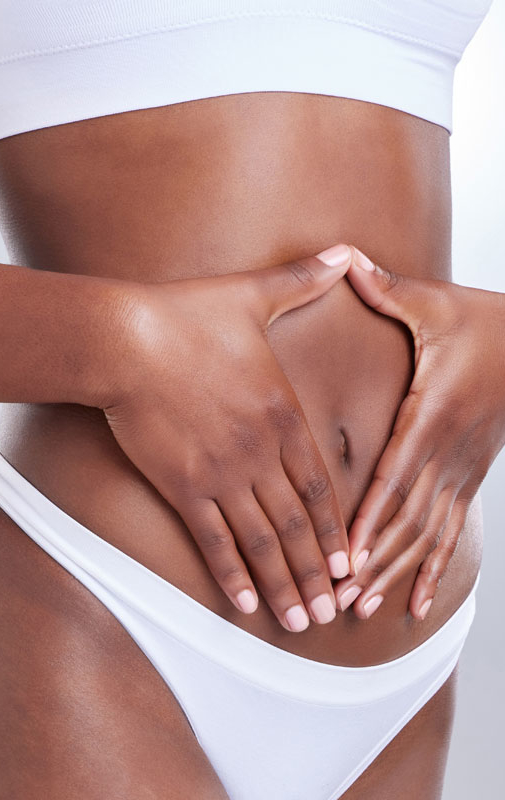
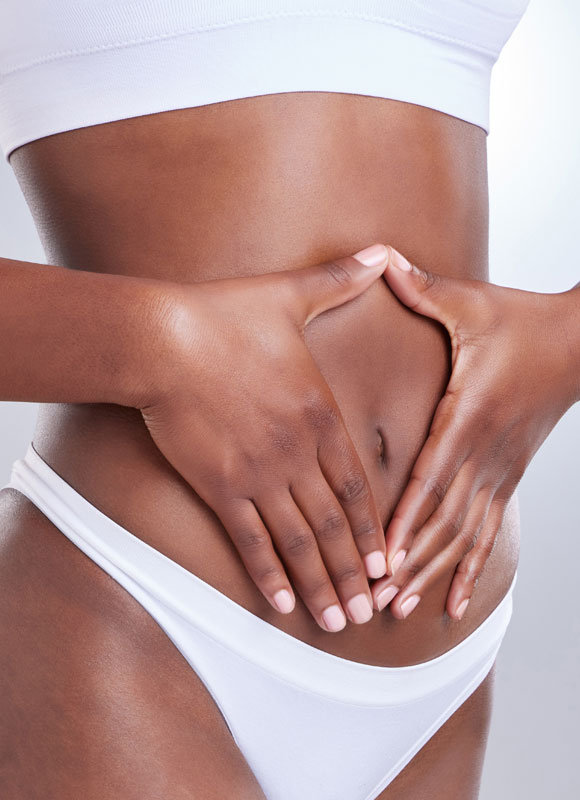
A lower body lift is a comprehensive procedure designed to improve the shape and tone of the abdomen, buttocks, hips, and outer thighs by removing excess skin and fat. It is often sought by people who have experienced significant weight loss, resulting in sagging skin that cannot be improved through diet or exercise alone. The surgery combines elements of a tummy tuck, thigh lift, and buttock lift into a single procedure, producing a smoother, more youthful contour to the entire lower body.
Plastic & Reconstructive Surgery — Body
Lower Body Lift
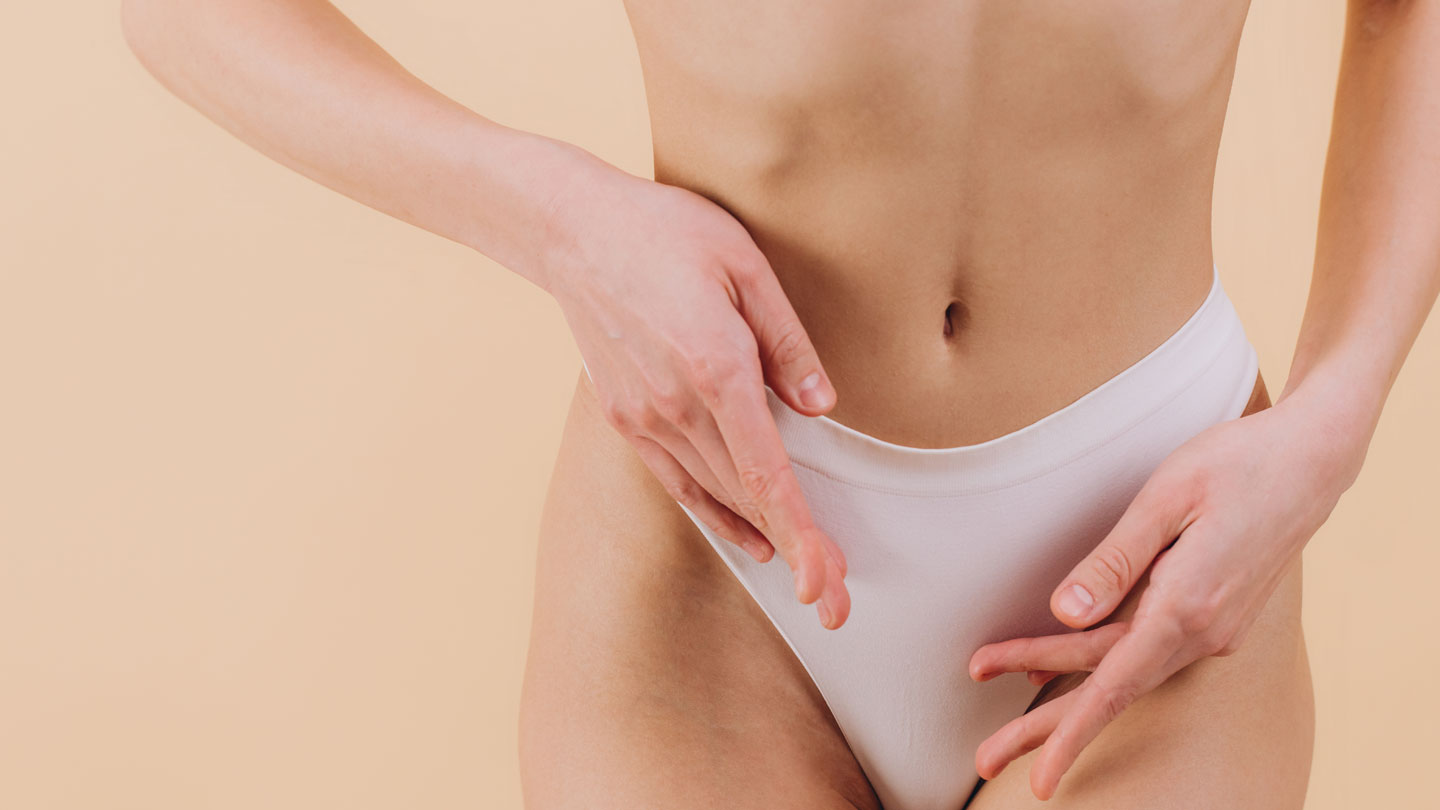
A lower body lift is a comprehensive procedure designed to improve the shape and tone of the abdomen, buttocks, hips, and outer thighs by removing excess skin and fat. It is often sought by people who have experienced significant weight loss, resulting in sagging skin that cannot be improved through diet or exercise alone. The surgery combines elements of a tummy tuck, thigh lift, and buttock lift into a single procedure, producing a smoother, more youthful contour to the entire lower body.
Procedure Overview
A lower body lift is most suitable for individuals who have loose, hanging skin and uneven contours in the lower torso and legs, particularly after substantial weight loss or due to natural ageing. Candidates should be in good overall health, maintain a stable weight, and have realistic expectations about the procedure. It is especially beneficial for those who want to address multiple areas in one operation rather than separate staged procedures. It can be combined with a thigh lift if desired.
In some suitable cases a lower body lift can be combined with an upper body lift. However this requires careful planning and preparation. Body lift surgery differs from liposuction in that it involves reshaping and draping the skin over the figure, as well as removing stubborn fat. It is more extensive surgically and recovery time is longer.
The people most suited to this type of procedure are those individuals who have been through massive weight loss, and who are now at a steady ideal weight. Excessive overhanging skin may cause problems with chafing, daily hygiene and discomfort. Commonly people complain of difficulty finding suitable clothes and look forward to being able to wear a normal clothing again.
Aim
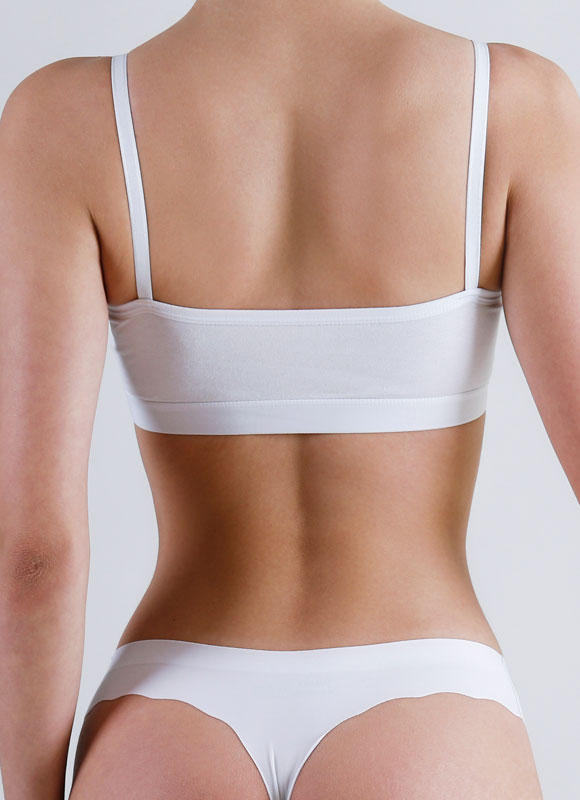
The goal is to reshape and lift the lower torso, buttocks, and thighs for a smoother, firmer silhouette.
At A Glance
Tailored to each patient, this procedure offers transformative results for improved confidence.
Expected results:
Lifted, firmer lower body
Treatment time:
4–6 hours
Anaesthesia:
General anaesthetic
Recovery time:
4–8 weeks
Return to work:
3–4 weeks
Lifetime of procedure:
Long-lasting with stable weight
CONSULTATION
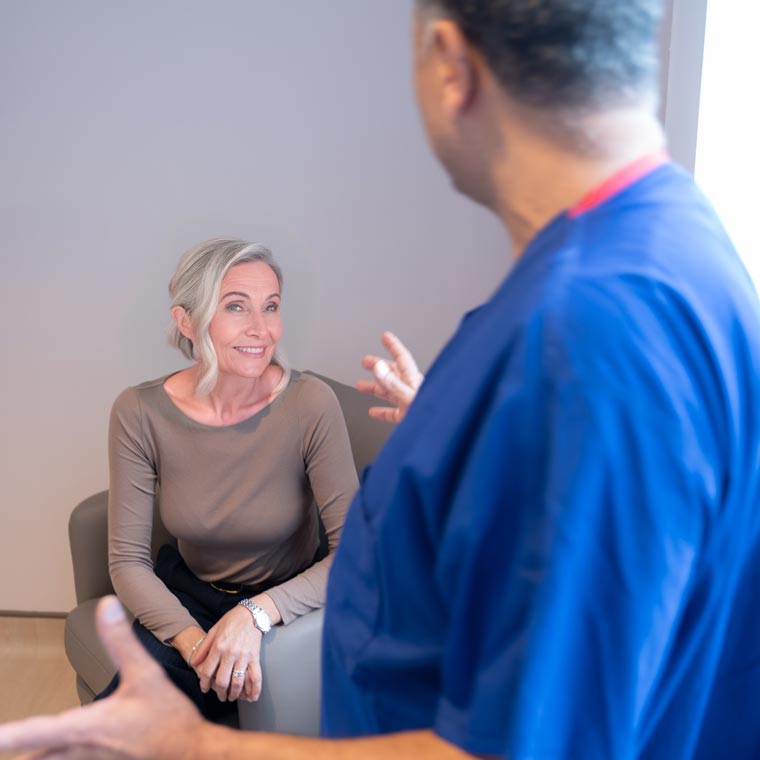
During your consultation, the surgeon will carefully assess your lower body, noting the amount and distribution of excess skin and fat, as well as the quality of your skin tone. They will review your medical history, discuss your personal goals, and explain the surgical techniques available. You will be shown how the procedure can address your specific concerns, including potential scar placement and the expected degree of skin tightening. Your surgeon will also discuss the recovery process in detail, outline any potential risks, and provide tailored advice on how to prepare for surgery. Photographs may be taken for planning purposes and to help you visualise the anticipated results. The consultation is also your opportunity to ask questions and ensure you are completely comfortable before making a decision.
PREOP PREPARATION
Setting aside time to focus on preparation before you attend for surgery is important if you wish a successful outcome. Healthy eating (avoiding refined sugars, and ultra processed foods), reducing alcohol consumption and stopping smoking, vaping or taking recreational drugs is extremely important in the 6 weeks running up to surgery. In addition it is also important to train the relevant muscles so that they are fully primed for the recovery phase. Working on core strength so that all the abdominal muscles are as strong as possible will help your body cope with the surgical makeover. For lower body lift treatments it would also be recommended to work on weight training the gluteal, hamstrings and thigh muscles so that they are in optimal shape to help with recovery. Regular respiratory deep breathing techniques such as breath exercises used with yoga or diving are important when having a general anaesthetic as there will be less chance of developing breathing problems in the recovery phase.
SURGERY
A lower body lift is carried out under general anaesthetic. The surgeon makes a circumferential incision around the lower torso, allowing access to remove excess skin and fat from the abdomen, hips, buttocks, and thighs. The underlying tissues are lifted and tightened, and the skin is redraped for a smoother contour. In many cases, liposuction is performed alongside skin removal to refine the overall shape. Incisions are closed with sutures, and compression garments are applied to support the new contours and minimise swelling.
RECOVERY
You will usually need to stay in hospital for at least one or two nights so that your initial recovery can be monitored. Bruising, swelling, and discomfort are expected in the early days, and can be managed with prescribed pain medication. You will need to wear compression garments for several weeks to reduce swelling and support healing. Walking is encouraged soon after surgery to promote circulation, but strenuous exercise, heavy lifting, and bending should be avoided for a minimum of six weeks, and usually it will be 12 weeks before a full return to normal activities is recommended. . Follow-up appointments will be scheduled to track your progress, remove any sutures if necessary, and provide scar care guidance. The full results will gradually appear over a period of months as swelling subsides.

Related Concerns
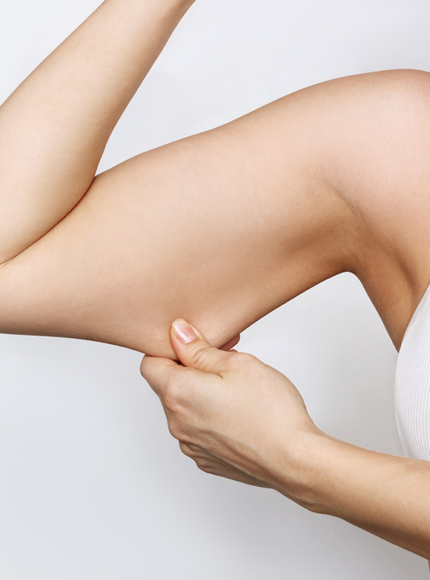
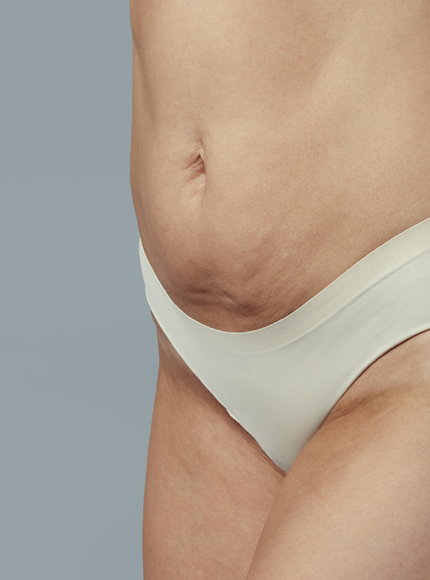
This procedure can treat the following conditions providing optimal outcomes.
Frequently Asked Questions
Is lower body lift surgery safe?
When performed by a qualified and experienced plastic surgeon, a lower body lift is considered safe. As with all surgical procedures, there are risks including infection, bleeding, delayed healing, and seroma (fluid collection). Specific risks for this surgery include skin sensation changes, asymmetry, or contour irregularities. Careful pre-operative assessment, following preparation guidelines, and attending all post-operative appointments help to minimise these risks.
How extensive are the scars?
The procedure involves a circumferential incision, so scars will extend around the lower torso, almost like a belt. Your surgeon will aim to position these so they are covered by most underwear and swimwear. Over time, scars will fade, especially with good aftercare and sun protection.
How long do results last?
The results are long-lasting, especially with stable weight and a healthy lifestyle. Natural ageing may cause some skin laxity over time.
Will I need help at home during recovery?
Yes. Assistance is helpful during the first week or two due to limited mobility. You will have restricted movement and will need help with lifting, bending and housework. If you have small children it would be anticipated that you will need extra help with childcare. Your surgeon will provide guidance on planning your recovery.
Can this be done in stages?
Yes. Depending on your health, anatomy, and goals, your surgeon may suggest staging the procedures to reduce risk and improve recovery.
What are the main concerns?
The main difficulty people have after this surgery is problems with wound healing. Body lift surgery is an extensive procedure and the body uses a lot of energy in the recovery process in order to heal all areas. If there are problems with wound breakdown regular dressing changes may be required to assist until healing is complete. This may take 6 weeks, or occasionally longer.
A second common problem with this type of surgery is the development of fluid collections around the site of surgery. These are called seromas, and they often require drainage in the outpatient clinic.
What is the recovery time?
Recovery from body lift surgery is longer than a lot of other cosmetic procedures. Usually full wound healing is complete by 4-6 weeks, but it will take longer to regain strength and mobility and this will need to be done in stages. It would be anticipated that you would be able to resume completely normal activities by 3-4 months after surgery.

Guide Price
The cost for each procedure is tailored to each patients needs post a consultation.
Prices start from
Please enquire

Related Procedures
You may also be interested in the following procedures performed by a top specialists in a state-of-the-art setting.
From advanced surgical procedures to less invasive treatments, our expert team are here to ensure you receive safe, personalised and effective care.






Our Professionals
With decades of expertise, your specialist team will guide you through every aspect of your procedure.