
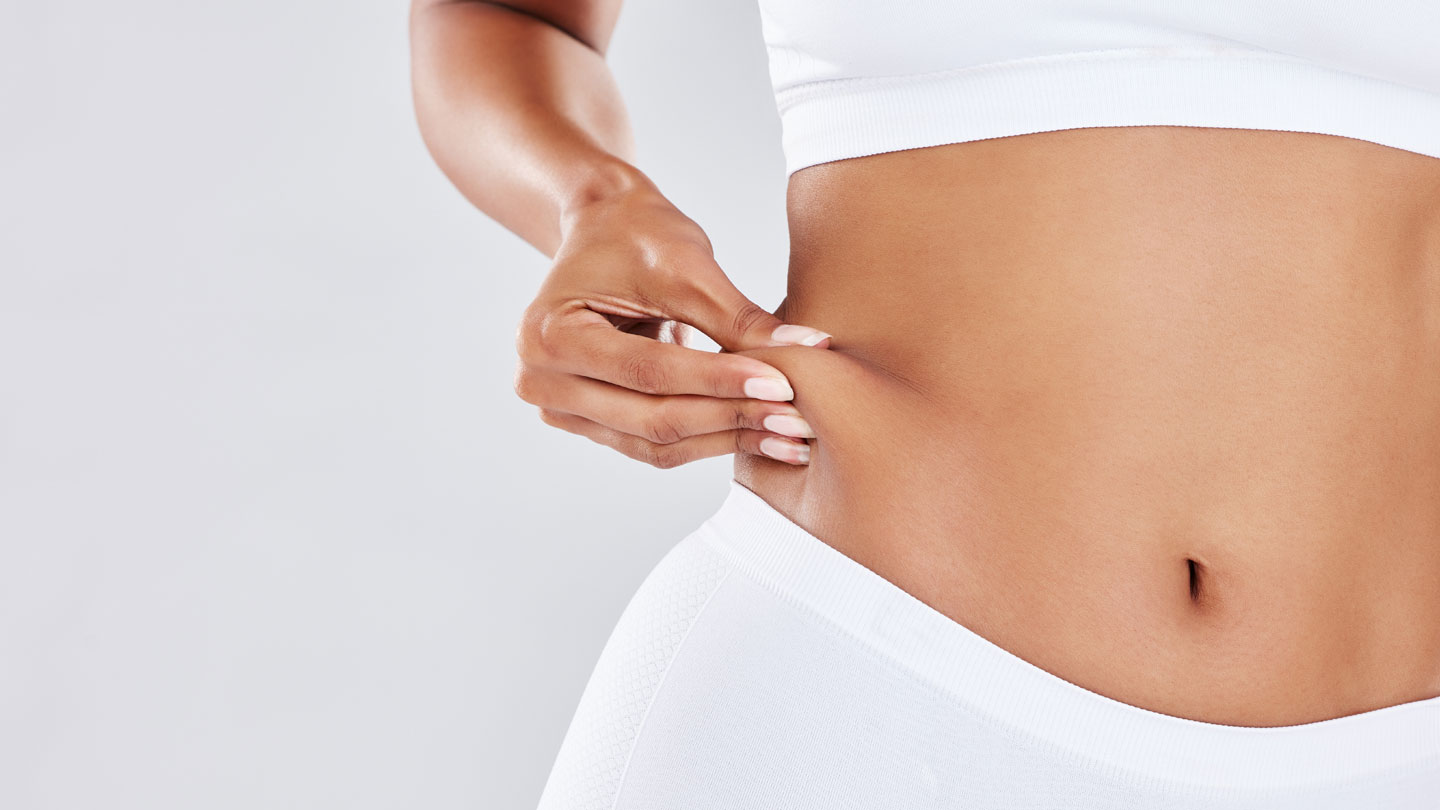
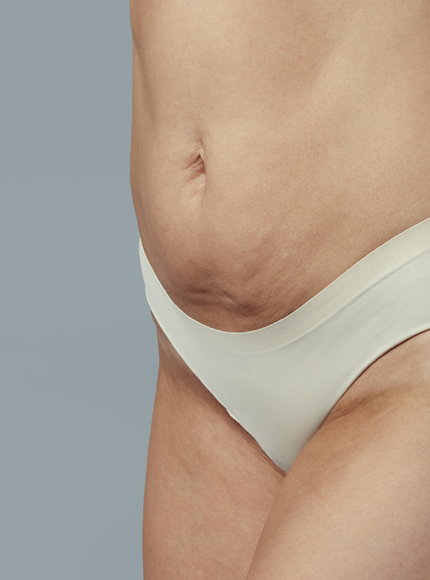
Post-weight loss procedures are designed to address the excess skin and residual fat deposits that can remain after significant weight loss, whether achieved through lifestyle changes or bariatric surgery. While weight loss can greatly improve overall health and body shape, it often leaves behind loose, stretched skin that cannot be tightened through exercise alone. These procedures combine surgical techniques to restore smoother contours, improve skin tone, and enhance comfort and mobility.
Plastic & Reconstructive Surgery — Body
Post-Weight Loss Procedures
Full Body Lift
Post-weight loss procedures are designed to address the excess skin and residual fat deposits that can remain after significant weight loss, whether achieved through lifestyle changes or bariatric surgery. While weight loss can greatly improve overall health and body shape, it often leaves behind loose, stretched skin that cannot be tightened through exercise alone. These procedures combine surgical techniques to restore smoother contours, improve skin tone, and enhance comfort and mobility.
Procedure Overview
These procedures are for men and women who have lost a large amount of weight and are left with loose, sagging skin in one or more areas of the body, such as the abdomen, arms, thighs, buttocks, breasts, or face. Candidates should be at or close to their target weight, be in good overall health, and have realistic expectations about the outcomes and scars involved. This approach is often most beneficial for patients who wish to have several areas addressed in one or two combined stages, rather than multiple separate surgeries over time.

Aim
The aim is to restore smoother body contours and improve comfort and confidence through a combination of lifts and contouring surgeries.
At A Glance
Tailored to each patient, this procedure offers transformative results for improved confidence.
Expected results:
Tighter, more contoured figure
Treatment time:
3–8 hours, depending on combination
Anaesthesia:
General anaesthetic
Recovery time:
4–8 weeks
Return to work:
3–4 weeks
Lifetime of procedure:
Long-lasting with stable weight

CONSULTATION
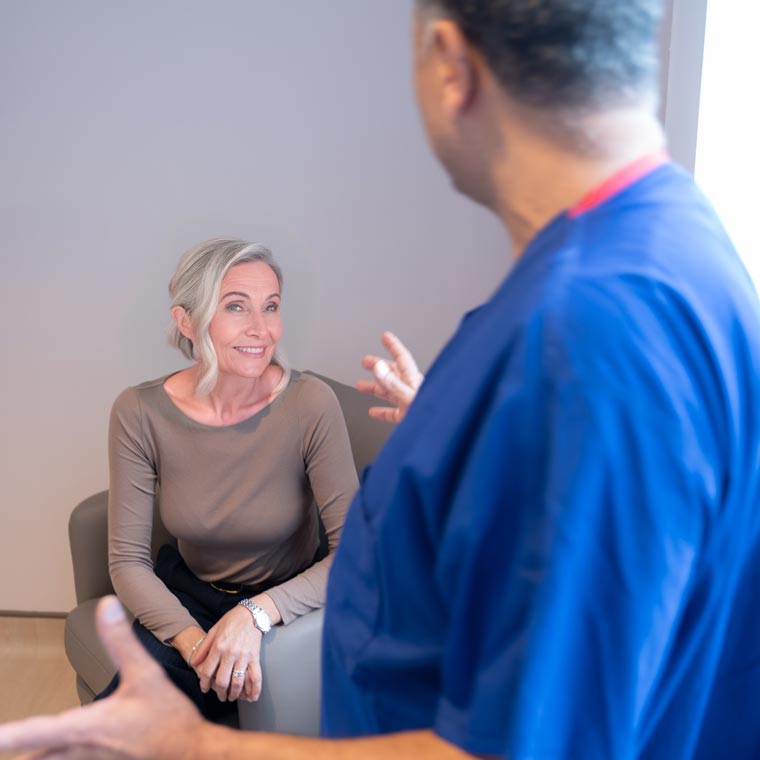
At your consultation, your surgeon will conduct a thorough assessment of your body, noting where skin excess and any stubborn fat deposits remain. They will discuss your goals, priorities, and the areas you most wish to improve. The consultation will include a review of your medical history, current health, and any previous surgeries. Your surgeon will outline which procedures are most appropriate for your needs—these may include a tummy tuck, lower body lift, arm lift, thigh lift, breast surgery, or facial procedures. They will explain how these can be staged or combined, discuss the potential scars, and ensure you understand the recovery process. This is also your opportunity to ask questions about anaesthesia, aftercare, and long-term results, ensuring you feel informed and confident in your decision.
PREOP PREPARATION
Setting aside time to focus on preparation before you attend for surgery is important if you wish a successful outcome. Healthy eating (avoiding refined sugars, and ultra processed foods), reducing alcohol consumption and stopping smoking, vaping or taking recreational drugs is extremely important in the 6 weeks running up to surgery. In addition it is also important to train the relevant muscles so that they are fully primed for the recovery phase. Working on core strength so that all the abdominal muscles are as strong as possible will help your body cope with the surgical makeover. For body lift treatments it would also be recommended to work on weight training the chest, back, gluteal, hamstrings and thigh muscles so that they are in optimal shape to help with recovery. Regular respiratory deep breathing techniques such as breath exercises used with yoga or diving are important when having a general anaesthetic as there will be less chance of developing breathing problems in the recovery phase.
SURGERY
Post-weight loss surgery is tailored to the individual and may involve one or more procedures performed during a single operation or over several stages. Commonly combined techniques include abdominoplasty to tighten the abdominal wall, lower body lift for the buttocks and thighs, brachioplasty for the arms, and breast lift or reduction. Excess skin is removed, underlying tissues are reshaped, and liposuction may be used to improve contours. The surgery is performed under general anaesthetic, and the duration will depend on the complexity and number of areas treated.
RECOVERY
Recovery time varies depending on the number and extent of procedures performed. Hospital stays may last from one to three nights. You can expect swelling, bruising, and discomfort for the first few weeks, managed with prescribed medication and supportive garments. Gradual return to light activities usually occurs within 4–6 weeks, but full recovery can take several months, particularly if multiple areas are treated at once. Your surgeon will provide detailed aftercare instructions, schedule follow-up appointments, and offer guidance on scar management and lifestyle maintenance to help preserve your results.

Related Concerns
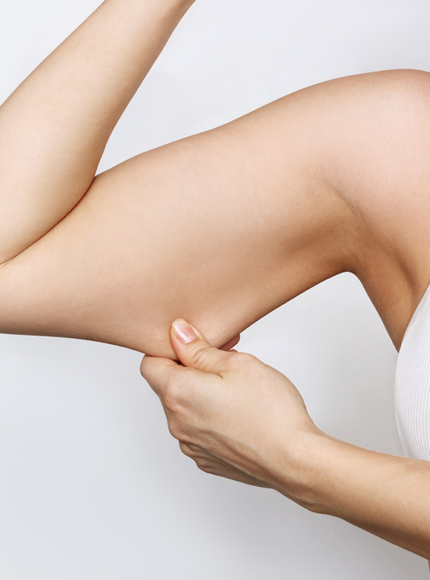
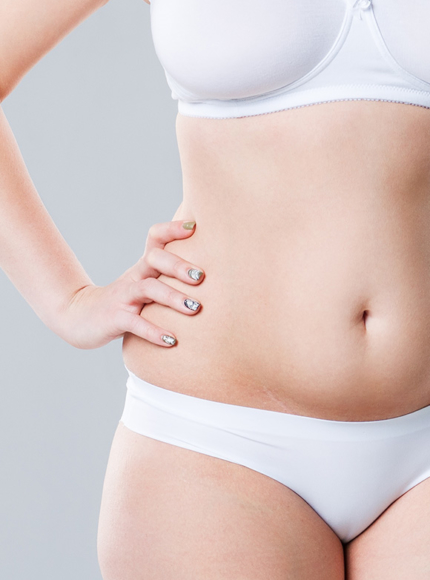
This procedure can treat the following conditions providing optimal outcomes.
Frequently Asked Questions
Are post weight loss surgeries safe?
When performed by experienced surgeons with a well-planned approach, they are considered safe. Risks include wound healing problems, blood clots, or fluid accumulation, especially with extensive procedures. Specific risks for this surgery include skin sensation changes, asymmetry, or contour irregularities. Careful pre-operative assessment, following preparation guidelines, and attending all post-operative appointments help to minimise these risks.
How many procedures can be done at once?
This depends on your health, goals, and surgeon’s advice. Some patients undergo multiple procedures in a single operation, while others stage them for safety.
Will insurance cover any part of this?
Occasionally, if the excess skin causes medical problems like infections. You should check with your provider.
What happens to the scars?
Scars are inevitable, but placed discreetly and fade over time. Scar care treatments will be recommended.
Do I need to be at a stable weight first?
Yes. It’s important that your weight is stable and at your goal weight for at least 6 months before surgery to ensure the best and longest-lasting outcome.
Will the results be permanent?
Yes, but only if your weight remains stable. Further weight loss or gain may affect results.
Will I need help at home during recovery?
Yes. Assistance is helpful during the first week or two due to limited mobility. You will have restricted movement and will need help with lifting, bending and housework. If you have small children it would be anticipated that you will need extra help with childcare. Your surgeon will provide guidance on planning your recovery.
What are the main concerns?
The main difficulty people have after this surgery is problems with wound healing. Body lift surgery is an extensive procedure and the body uses a lot of energy in the recovery process in order to heal all areas. If there are problems with wound breakdown regular dressing changes may be required to assist until healing is complete. This may take 6 weeks, or occasionally longer.
A second common problem with this type of surgery is the development of fluid collections around the site of surgery. These are called seromas, and they often require drainage in the outpatient clinic.
What is the recovery time?
Recovery from body lift surgery is longer than a lot of other cosmetic procedures. Usually full wound healing is complete by 4-6 weeks, but it will take longer to regain strength and mobility and this will need to be done in stages. It would be anticipated that you would be able to resume completely normal activities by 3-4 months after surgery.
Guide Price
The cost for each procedure is tailored to each patients needs post a consultation.
Prices start from
Please enquire

Related Procedures
You may also be interested in the following procedures performed by a top specialists in a state-of-the-art setting.
From advanced surgical procedures to less invasive treatments, our expert team are here to ensure you receive safe, personalised and effective care.



Our Professionals
With decades of expertise, your specialist team will guide you through every aspect of your procedure.