
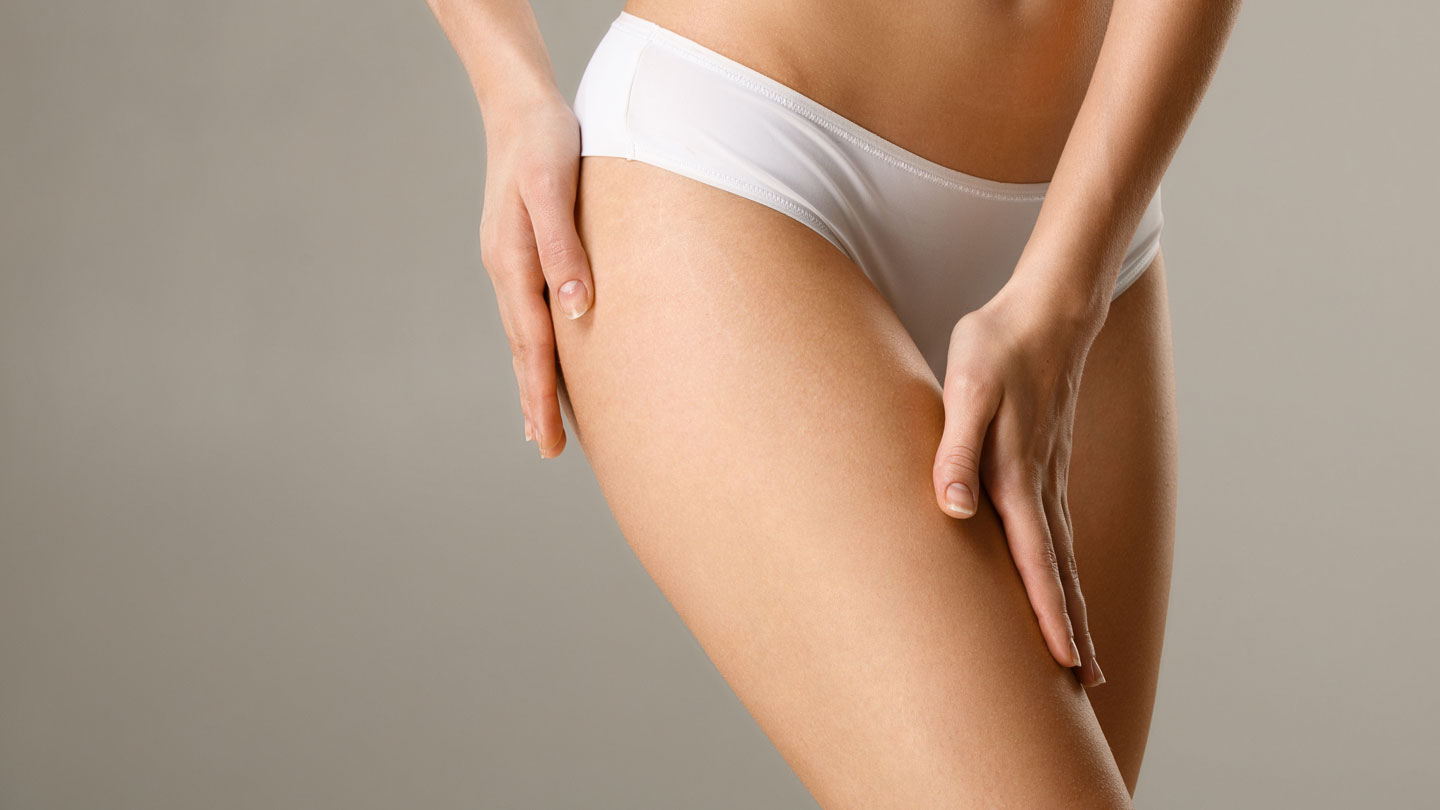
A thigh lift (thighplasty) is a surgical procedure that reshapes the thighs by removing excess skin and, in some cases, fat, to achieve smoother skin and better-proportioned contours. It is especially effective for patients who have lost a significant amount of weight or whose skin elasticity has been reduced by ageing. By tightening the underlying tissues and reducing excess skin, a thigh lift can improve both appearance and comfort, making it easier to wear fitted clothing and move freely.
Plastic & Reconstructive Surgery — Body
Thigh lift
A thigh lift (thighplasty) is a surgical procedure that reshapes the thighs by removing excess skin and, in some cases, fat, to achieve smoother skin and better-proportioned contours. It is especially effective for patients who have lost a significant amount of weight or whose skin elasticity has been reduced by ageing. By tightening the underlying tissues and reducing excess skin, a thigh lift can improve both appearance and comfort, making it easier to wear fitted clothing and move freely.
Procedure Overview
A thigh lift is suitable for individuals who have excess skin on the thighs, either from significant weight loss, ageing, or genetic factors. Ideal candidates are at a stable, healthy weight and in good overall health, with realistic expectations about the results and scarring. The procedure is particularly beneficial for those who find that loose skin causes discomfort, limits their choice of clothing, or affects self-confidence.
Aim
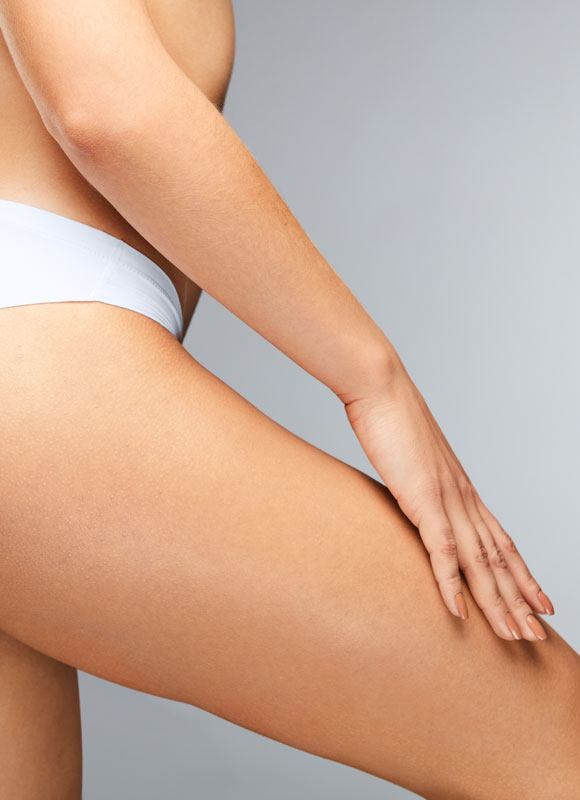
The goal is to reshape and firm the thighs by removing excess tissue and creating a more toned appearance. It can be combined with liposuction to remove stubborn fat if further contouring is required.
At A Glance
Tailored to each patient, this procedure offers transformative results for improved confidence.
Expected results:
Smoother, firmer thighs
Treatment time:
2–3 hours
Anaesthesia:
General anaesthetic
Recovery time:
3–6 weeks
Return to work:
2 weeks
Lifetime of procedure:
Long-lasting

CONSULTATION
During your consultation, your surgeon will assess the amount and distribution of excess skin and any fat deposits in your thighs. They will discuss your goals, review your medical history, and examine your overall skin tone and muscle structure to determine the best surgical approach. You will learn about the different types of thigh lift, such as inner thigh lift, outer thigh lift, or a combination, and how each addresses different concerns. Your surgeon will also explain where incisions will be placed, what results you can expect, and the recovery process. You will be able to ask questions about anaesthesia, scar placement, aftercare, and how to combine thigh lift with other procedures if desired. The aim is to ensure you are fully informed and confident before deciding to proceed.
PREOP PREPARATION
Setting aside time to focus on preparation before you attend for surgery is important if you wish a successful outcome. Healthy eating (avoiding refined sugars, and ultra processed foods), reducing alcohol consumption and stopping smoking, vaping or taking recreational drugs is extremely important in the 6 weeks running up to surgery. In addition it is also important to train the relevant muscles so that they are fully primed for the recovery phase. Working on core strength so that all the abdominal muscles are as strong as possible will help your body cope with the surgical makeover. For thigh lift treatments it would also be recommended to work on weight training the gluteal, hamstrings and thigh muscles so that they are in optimal shape to help with recovery. Regular respiratory deep breathing techniques such as breath exercises used with yoga or diving are important when having a general anaesthetic as there will be less chance of developing breathing problems in the recovery phase.
SURGERY
A thigh lift is performed under general anaesthetic. The exact technique depends on the areas being treated and the amount of excess skin. For an inner thigh lift, incisions are typically made in the groin and may extend down the inner thigh. For outer thigh lifts, incisions are often made from the groin around the hip. Excess skin is removed, and the underlying tissues are tightened. Liposuction may be used alongside skin removal to improve contour. The incisions are closed with sutures, and dressings or compression garments are applied to support healing.
RECOVERY
You will usually stay in hospital overnight for monitoring. Swelling, bruising, and some discomfort are normal and can be managed with prescribed pain relief. Compression garments will need to be worn for several weeks to reduce swelling and support the new contours. Most patients can return to light activities after 2–3 weeks, but strenuous exercise should be avoided for 6 weeks. Light activity would be defined as items such as walking, gentle yoga, and pilates. Moderate exercise may be commenced at around 4-6 weeks and would include weights not involving the legs, or hips, and cycling on an indoor trainer. You will be given clear aftercare instructions and scheduled follow-up appointments to monitor your healing and ensure the best results.

Related Concerns
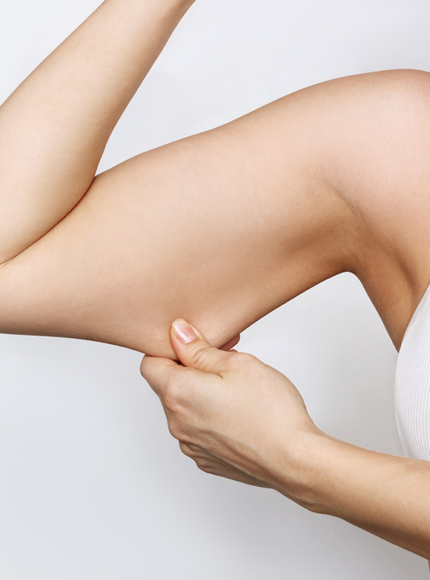
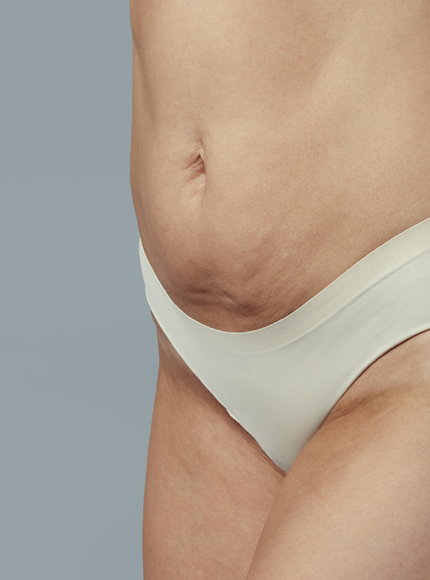
This procedure can treat the following conditions providing optimal outcomes.

Frequently Asked Questions
Is thigh lift surgery safe?
When performed by an experienced plastic surgeon, a thigh lift is considered safe. As with any surgery, risks include infection, bleeding, fluid accumulation, delayed wound healing, and scarring. Changes in skin sensation at the site of surgery may also occur, but this usually recovers with time. Rarer complications would include deep vein thrombosis, and pulmonary embolism. Following all pre- and post-operative instructions helps minimise these risks.
Where are the scars located?
They are usually hidden in the groin crease or inner thigh. In more extensive cases, a vertical scar may be required.
Will it improve the look of cellulite?
It may reduce the appearance of cellulite, but it is not a treatment specifically for cellulite.
Can I combine it with other procedures?
Yes. Thigh lift is often combined with tummy tuck or lower body lift after significant weight loss.
How long do results last?
Results are long-lasting with stable weight. Skin may lose some elasticity over time due to ageing.
When can I resume exercise?
You can return to light walking within a few days, but strenuous activity should be avoided for 4–6 weeks.
Will my thighs be symmetrical?
There will always be slight asymmetry in any person that has had no treatment at all on their thighs. Your surgeon will aim to minimize any asymmetry as much as possible.


Guide Price
The cost for each procedure is tailored to each patients needs post a consultation.
Prices start from
Please enquire

Related Procedures
You may also be interested in the following procedures performed by a top specialists in a state-of-the-art setting.
From advanced surgical procedures to less invasive treatments, our expert team are here to ensure you receive safe, personalised and effective care.




Our Professionals
With decades of expertise, your specialist team will guide you through every aspect of your procedure.