
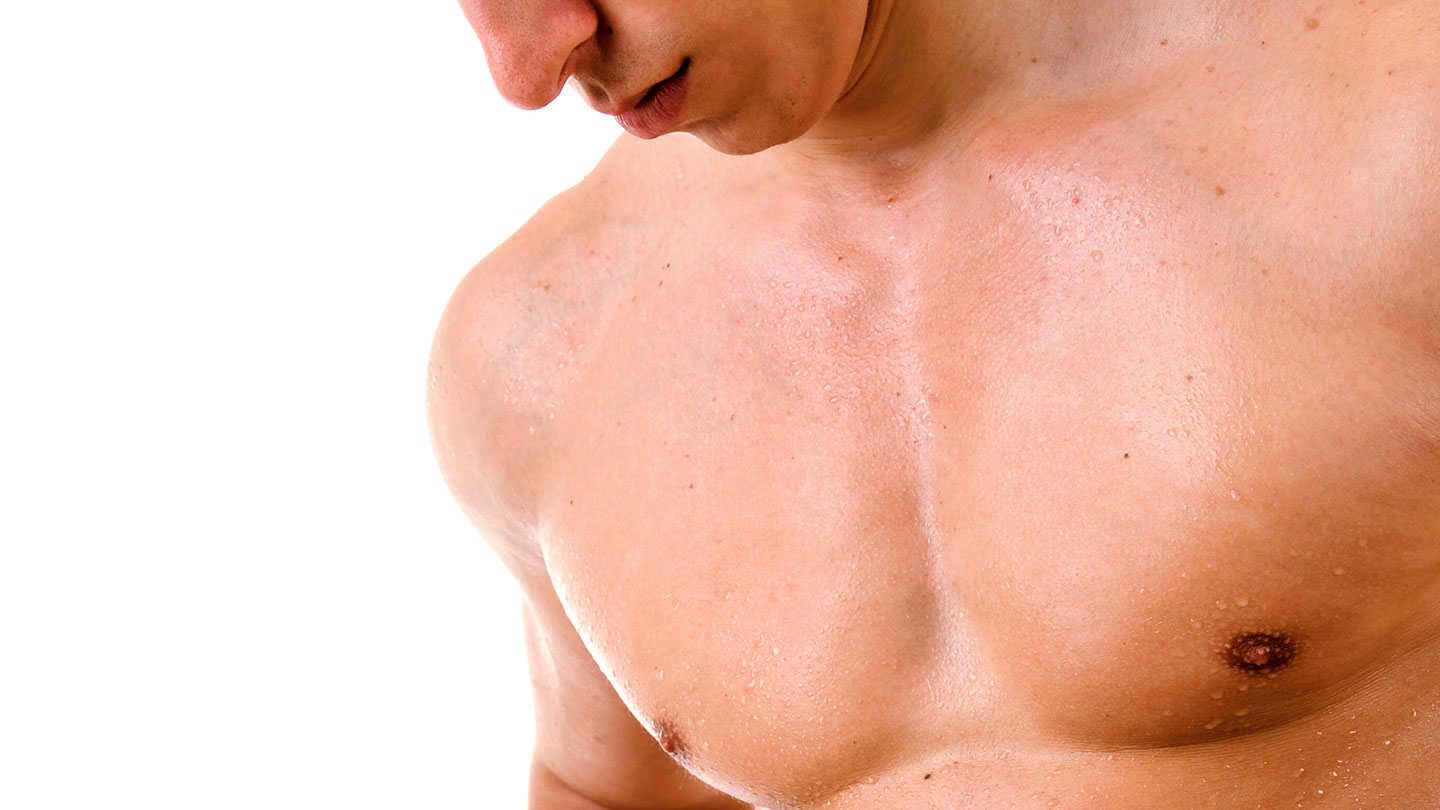
Male breast reduction surgery (gynaecomastia correction) is performed to reduce excess breast tissue in men, resulting in a flatter, firmer, and more masculine chest contour. The procedure may involve the removal of glandular tissue, fat, or both, and can also address loose skin if present.
Plastic & Reconstructive Surgery — For Men
Male Breast Reduction
Gynaecomastia
Male breast reduction surgery (gynaecomastia correction) is performed to reduce excess breast tissue in men, resulting in a flatter, firmer, and more masculine chest contour. The procedure may involve the removal of glandular tissue, fat, or both, and can also address loose skin if present.
Procedure Overview
This surgery is for men who are concerned about the appearance of enlarged breasts, whether due to hormonal changes, genetics, weight gain, or certain medications. You may feel self-conscious when wearing fitted clothing, participating in sports, or going shirtless. Gynaecomastia can affect men of all ages, and the decision to undergo surgery is a personal one, often motivated by the desire to restore confidence and comfort in your body.
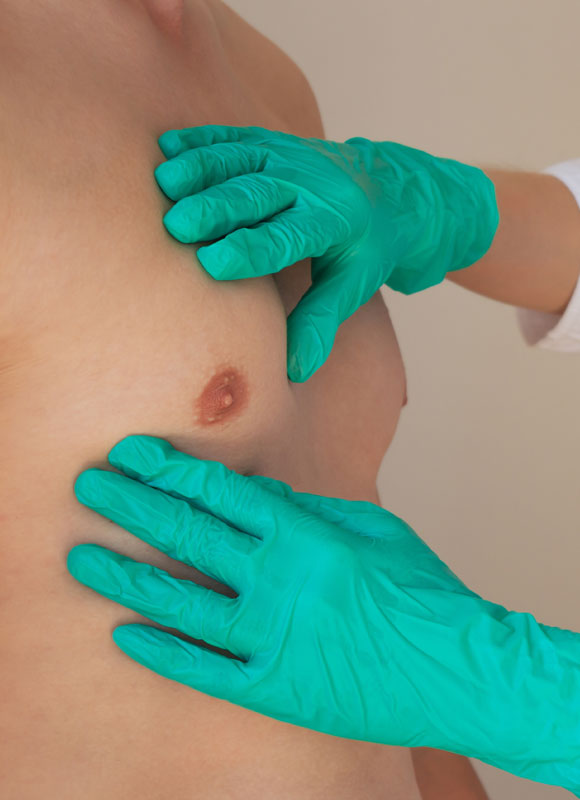
Why does gyneacomastia happen?
It is normal for men to produce the hormones testosterone and oestrogen. Usually they are produced in harmony and there is a natural balance. Occasionally a hormone imbalance can be triggered by something as simple as puberty (when all hormones are in flux), or by taking medication that changes hormone levels. Underlying health problems can also upset the equilibrium, such as obesity, liver problems or even just ageing. These changes can stimulate breast tissue to enlarge resulting in gynaecomastia
Aim
The surgery aims to create a well-proportioned, masculine chest that looks natural and fits your physique.
At A Glance
Tailored to each patient, this procedure offers transformative results for improved confidence.
Expected results:
Flatter, more masculine chest contour
Treatment time:
1–2 hours
Anaesthesia:
General anaesthetic
Recovery time:
4–6 weeks
Return to work:
1–2 weeks
Lifetime of procedure:
Long-lasting results, provided a stable weight and healthy lifestyle are maintained
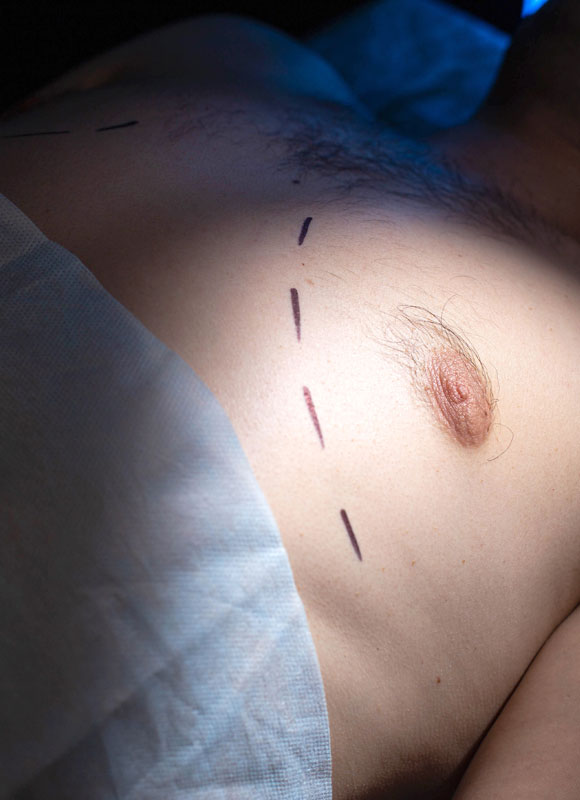
CONSULTATION
During an initial consultation, the surgeon will examine the chest to determine the underlying cause and extent of gynaecomastia and whether the excess volume is primarily due to glandular tissue, fat, or a combination of both. In some cases surgery may not be required if a medical problem is identified and corrected, as the problem resolves on its own.
You will discuss your aesthetic goals and the surgical techniques available, which may involve liposuction, excision of glandular tissue, skin tightening, or a combination of methods. The surgeon will also review your medical history, current medications, and lifestyle factors to identify potential causes of gynaecomastia and reduce the risk of recurrence.. Risks, recovery expectations, and scar placement will be explained in detail.
PRE-OP PREPARATION
You will be given detailed pre-operative guidelines, including when to stop certain medications, smoking cessation if relevant, and weight management advice.
The general ways you can prepare for any surgery will include eating a healthy diet which includes all the macronutrients important for daily living. It will help to avoid ultraprocessed foods, and those foods high in refined sugars such as cakes, biscuits or chocolates.
It is important to avoid smoking (including passive smoking), vaping for at least 6 weeks in the run up to your surgery as this can decrease blood flow to the skin and make the healing process slower. Similarly please avoid recreational drugs as these can interfere with having an anaesthetic.
Finally preparation of the body area to be worked on is equally important. It would be recommended to follow at least a 6 week program of targeted strength training exercises for the chest and upper arms so that they are fully primed for the recovery phase. Working on core strength so that all the abdominal muscles are as strong as possible will also help your body cope with the surgical makeover
SURGERY
Male breast reduction is typically carried out under general anaesthetic or local anaesthetic with sedation. If the enlargement is primarily due to fatty tissue, liposuction may be sufficient. For glandular tissue, a small incision is usually made around the lower half of the areola to remove the tissue directly. In some cases, excess skin is also removed to achieve the desired contour. The incisions are then closed with sutures, and a compression garment is applied to reduce swelling and support the new chest shape.
Occasionally surgical drains will be placed to collect excess fluid. These will be removed by the team in the days following surgery.
RECOVERY
You can expect some swelling, bruising, and mild discomfort in the first week after surgery. Wearing a compression garment for several weeks helps control swelling and support healing. Light activities can often be resumed after 1 week, but strenuous exercise and heavy lifting should be avoided for at least 3–4 weeks. Most swelling subsides within 6 weeks, with final results visible after a few months. Follow-up appointments will allow your surgeon to monitor healing and address any concerns.


Frequently Asked Questions
Is male breast reduction safe?
Male breast reduction is a well-established and widely-performed procedure, and is considered safe when carried out by an accredited and experienced plastic surgeon. As with any surgery, there are potential risks, such as infection and bleeding. There are also more specific risks of changes in nipple sensation, and in some cases, there may be asymmetry or contour irregularities. Modern techniques and careful surgical planning help to keep these risks low. Choosing a reputable surgeon, attending all pre-operative assessments, and following post-operative instructions are the best ways to ensure a safe and satisfactory outcome.
Will the results be permanent?
The removal of glandular breast tissue is permanent, and any fat removed by liposuction does not grow back. However, significant weight gain, the use of certain medications (such as anabolic steroids), hormonal fluctuations, or underlying medical conditions can cause the chest to enlarge again. Maintaining a stable weight, exercising regularly, and avoiding known triggers for gynaecomastia will help preserve results long term.
Will there be visible scars?
Incisions are placed as discreetly as possible, usually around the edge of the areola or in natural skin folds. Scars will initially be red or pink but tend to fade over several months. Good wound care and sun protection help them heal well.
Will my chest look natural?
The aim is to create a masculine, natural-looking contour that blends seamlessly with your body proportions. The skin is allowed to retract after fat and tissue removal, and where there is excess skin, it can be excised to avoid sagging.

Guide Price
The cost for each procedure is tailored to each patients needs post a consultation.
Prices start from
Please enquire

Related Procedures
You may also be interested in the following procedures performed by a top specialists in a state-of-the-art setting.
From advanced surgical procedures to less invasive treatments, our expert team are here to ensure you receive safe, personalised and effective care.


Our Professionals
With decades of expertise, your specialist team will guide you through every aspect of your procedure.