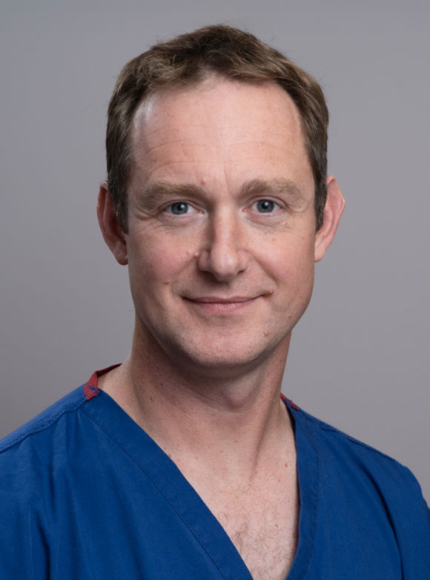

Facial implants are designed to enhance the structure and proportions of the face by adding definition and balance to specific areas. For men, these procedures are often focused on creating a stronger jawline, more prominent chin, or higher, more defined cheekbones. The goal is to achieve a masculine and harmonious facial profile while maintaining a natural appearance. Implants are made from safe, biocompatible materials and are customised in shape and size to suit the individual’s facial anatomy.

Plastic & Reconstructive Surgery — For Men
Facial Implants for Men
Chin / cheek / mandibular angles
Facial implants are designed to enhance the structure and proportions of the face by adding definition and balance to specific areas. For men, these procedures are often focused on creating a stronger jawline, more prominent chin, or higher, more defined cheekbones. The goal is to achieve a masculine and harmonious facial profile while maintaining a natural appearance. Implants are made from safe, biocompatible materials and are customised in shape and size to suit the individual’s facial anatomy.
Procedure Overview
Facial implants are suitable for men who wish to enhance their facial proportions, strengthen their jawline, improve a weak chin, or add definition to the cheekbones. The procedure is also an option for those who have lost facial volume due to ageing or weight loss. Ideal candidates are in good health, have realistic expectations, and are looking for long-lasting improvements to their facial structure.

Aim
The aim is to create natural-looking facial contours that enhance masculine features while maintaining harmony with your overall appearance.
At A Glance
Tailored to each patient, this procedure offers transformative results for improved confidence.
Expected results:
Improved facial balance, stronger definition of key features
Treatment time:
1–2 hours
Anaesthesia:
General anaesthetic
Recovery time:
2–4 weeks
Return to work:
1–2 weeks
Lifetime of procedure:
Implants are long-lasting, often permanent
CONSULTATION
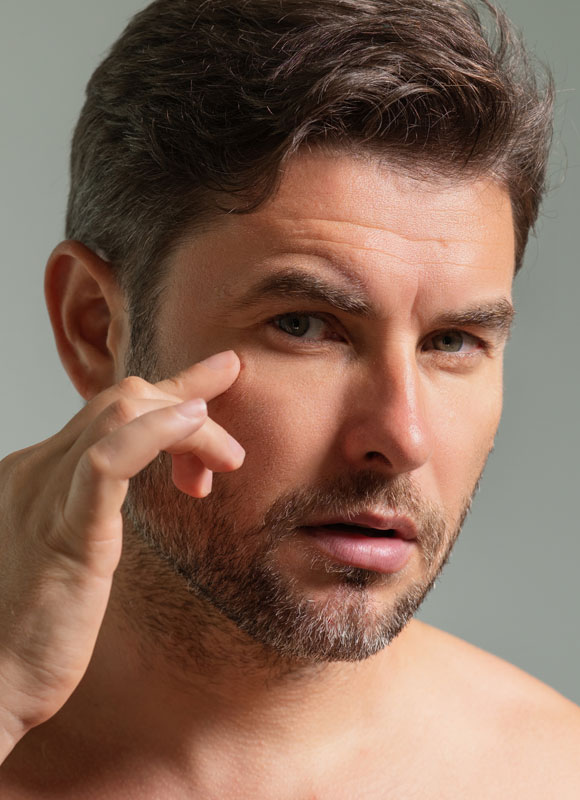
In the initial consultation, the surgeon will assess your facial features, bone structure, and skin quality to determine the most suitable implant type and size. They will discuss your goals in detail, explain the different implant materials and techniques available, and show before-and-after examples where appropriate. Your medical history will be reviewed to ensure the procedure is safe for you, and you will receive pre-operative guidance, such as avoiding certain medications or supplements and refraining from smoking. The consultation is also the time to discuss whether facial implants should be combined with other procedures, such as a facelift or neck lift, for a more comprehensive enhancement.
SURGERY
Facial implant surgery is performed under general anaesthetic or local anaesthetic with sedation. The implants are inserted through small, discreet incisions. For chin implants, the incision is often made either inside the mouth or under the chin. Cheek implants are usually placed through incisions inside the mouth or along the lower eyelid. Mandibular angle implants are generally inserted through incisions inside the mouth near the back molars. The implants are positioned securely against the facial bones and fixed in place. Incisions are then closed with dissolvable sutures. The procedure is usually completed in 1–2 hours.
RECOVERY
After surgery, you can expect swelling, bruising, and mild discomfort, which can be managed with prescribed pain relief. A soft diet may be recommended for a few days if incisions were made inside the mouth. Most men can return to light activities and work within 1–2 weeks, although strenuous exercise should be avoided for 4–6 weeks. Swelling gradually reduces over several weeks, with final results becoming clear in 2–3 months. Follow-up appointments will monitor healing and ensure the implants are settling as expected.


Frequently Asked Questions
Are facial implants safe?
When placed by a skilled and accredited surgeon, facial implants are a well-established method of enhancing facial structure, and considered safe. Like all surgeries, there are risks of infection and bleeding. There is also the possibility of dissatisfaction with the cosmetic outcome. These risks are significantly reduced by thorough pre-operative planning, precise surgical technique, and close follow-up care.
How long do facial implants last?
Facial implants are designed to be long-lasting and often permanent. They are made from biocompatible materials such as silicone or porous polyethylene, which integrate well with natural tissues. Unless complications occur, they do not usually need to be replaced.
Will the implants look and feel natural?
The implants are carefully shaped and positioned to harmonise with your bone structure, and once healed, they should feel like a natural part of your face. Friends and colleagues may notice that you look more balanced or defined but will not necessarily be able to tell you have had implants.
Will there be visible scars?
Most incisions for facial implants are made inside the mouth or in discreet locations on the face, such as under the chin. Internal incisions leave no visible scars, while external incisions are small and usually fade well over time.
How long is the recovery period?
Initial swelling and bruising can last 1–2 weeks, with most patients returning to normal activities within this period. Strenuous exercise should be avoided for around a month. The full results, with refined contours and minimal swelling, are typically visible after 2–3 months.


Guide Price
The cost for each procedure is tailored to each patients needs post a consultation.
Prices start from
Please enquire

Related Procedures
You may also be interested in the following procedures performed by a top specialists in a state-of-the-art setting.
From advanced surgical procedures to less invasive treatments, our expert team are here to ensure you receive safe, personalised and effective care.

Our Professionals
With decades of expertise, your specialist team will guide you through every aspect of your procedure.