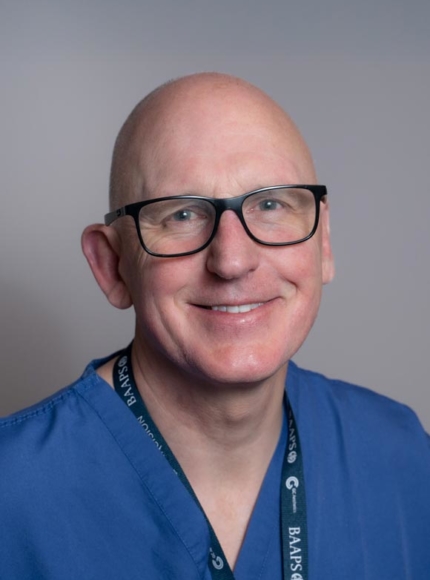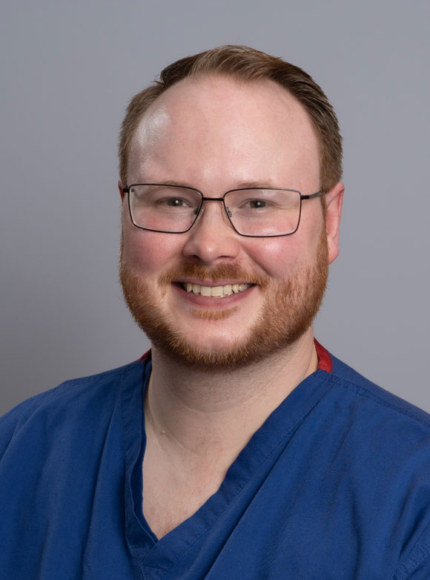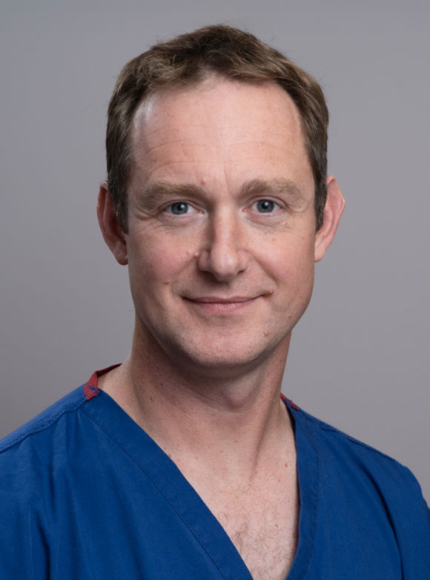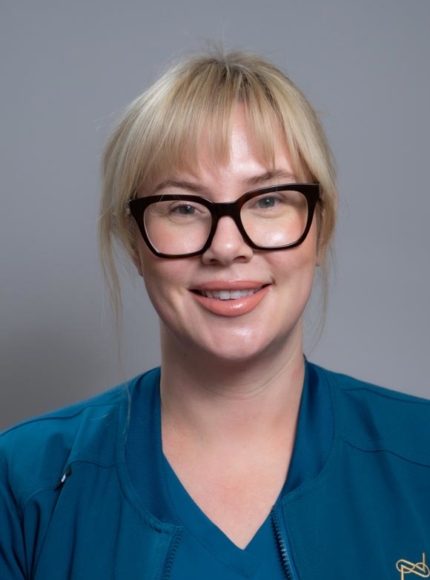

Whether you’re visiting us for a consultation, undergoing treatment, or recovering with us, we aim to make your experience smooth, reassuring, and fully centred around you.


Patient Journey
From the moment you get in touch to start your treatment we will be by your side to help your journey proceed seamlessly.

Your journey starts here
Every patient will be treated with compassion, care and attention to detail.

Arrival
We appreciate that you may feel anxious or worried when arriving at Northwood Hospital on the day of your procedure.
Our welcoming front of house team will do everything they can to put you at ease.
At reception, your personal details will be checked. The ward nursing team will then arrive to escort you to your room.
There may be a brief interval in which you can relax in the comfortable reception areas before you are taken to your room. We offer several quiet seating areas for you to choose from.
Your Room
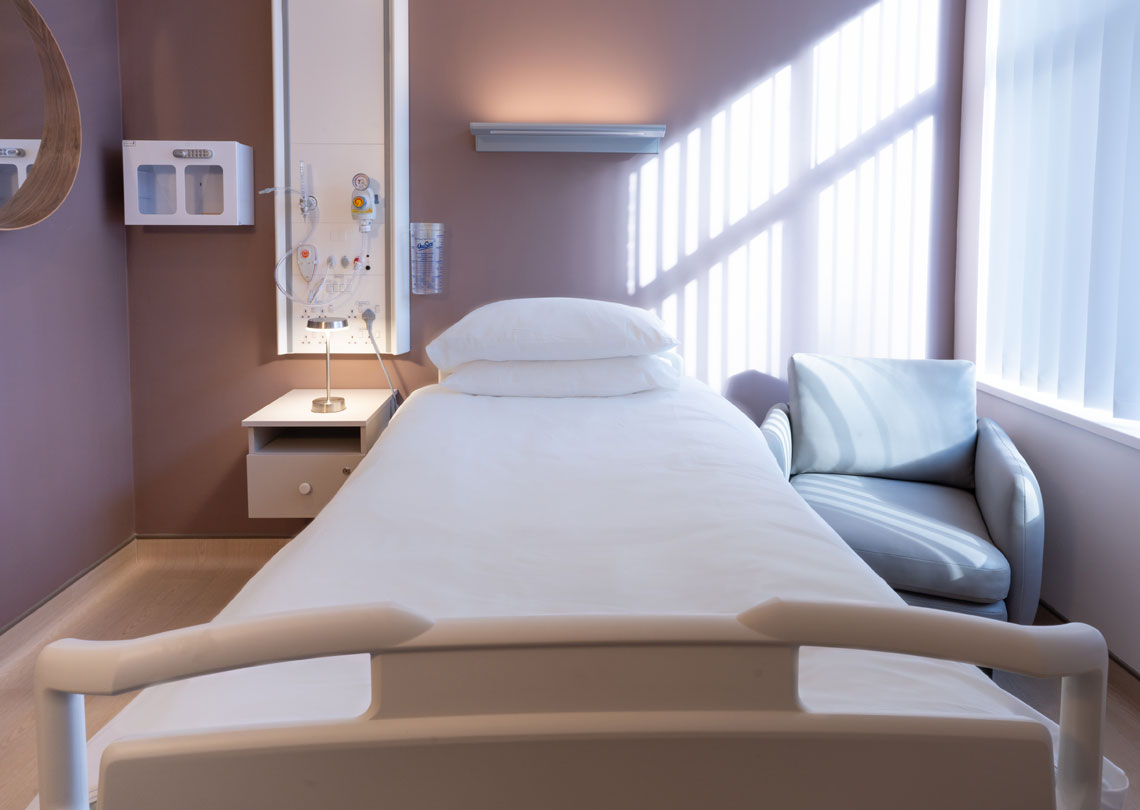
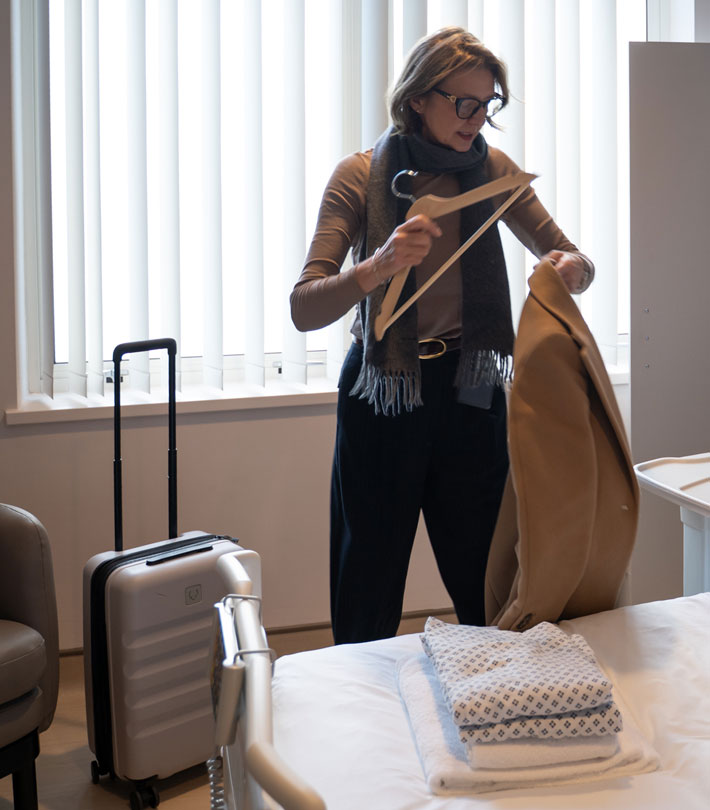
Your nurse will show you around your freshly cleaned room or day case pod, and demonstrate how the facilities work, including the in-room television, the nurse call system, and the washrooms. If you have any valuable items with you, the nurse will show you how to use the lockers to store them safely.
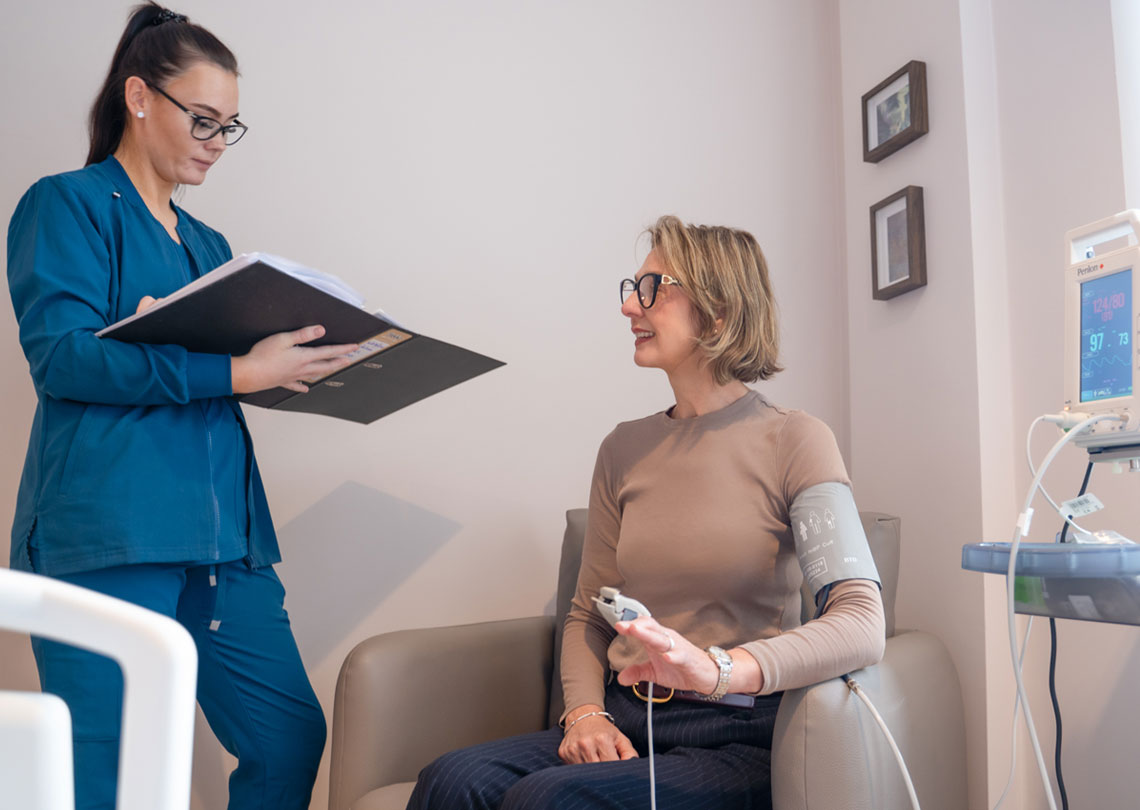
You will be given a hospital identity bracelet, and an allergy bracelet if appropriate. Your vital signs will be checked, including blood pressure, pulse, and temperature.
We will then show you the operating gown and underwear you will need to wear to go to theatre, and we will let you know when you will need to change into this. Jewellery and contact lenses should be removed. Wedding rings can be protected with tape. Ideally jewellery and other valuables should be left at home for safe keeping. If you wear hearing aids or dentures, you may keep these in place.
If your procedure is going to last longer than an hour, you will be fitted with compression stockings to improve your circulation while you are under anaesthetic and immobile. These serve to reduce your risk of blood clots (deep vein thrombosis). Your nurse will explain how the stockings work and provide you with written information on how long you will need to wear them.
Housekeeping
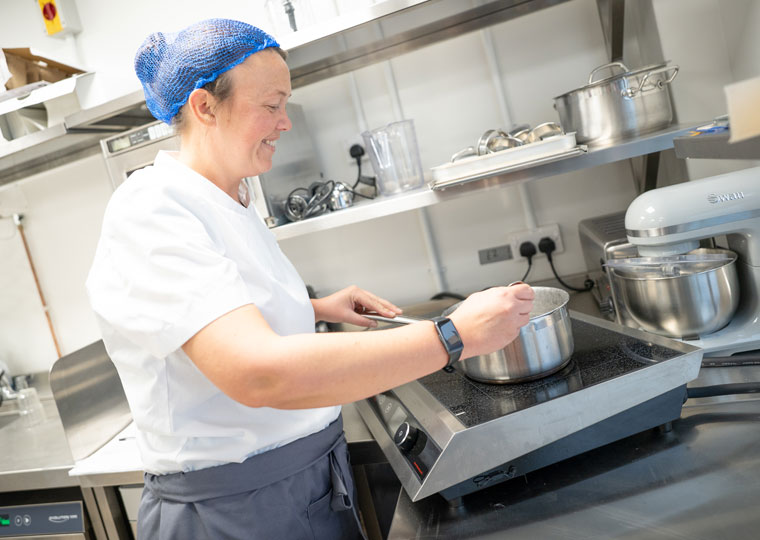
A member of our housekeeping team will introduce themselves once you have settled in. They will talk through the food and drink menu with you, and offer your companion light refreshments while they wait. If you are to have an anaesthetic, you will be given instructions on fasting before your procedure. If fasting, the nursing team will offer you small sips of water at regular intervals to avoid dehydration.
The housekeeping team are keen to make your stay as comfortable as possible, so please ask if there is anything else you need.
The Medical Team
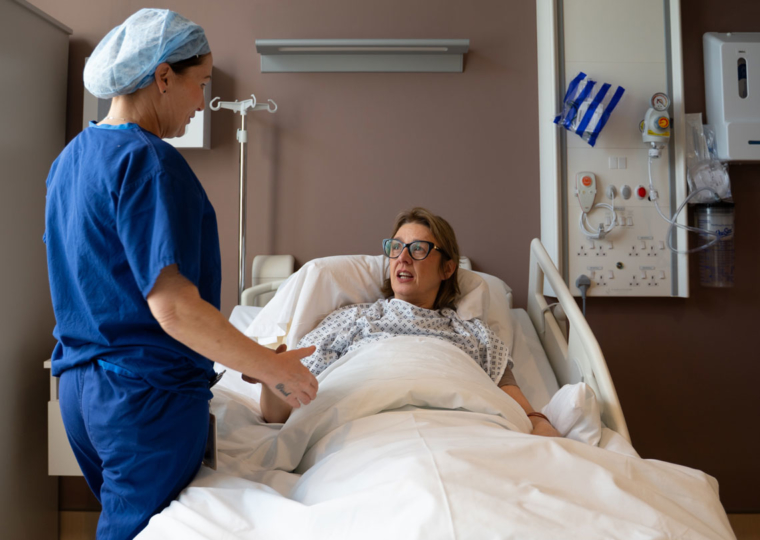
Your surgeon will visit you before your treatment. They will double check that you are happy with the plan, and confirm the details of the procedure and the site for the surgery on the body. They may make a mark with an arrow to confirm the precise location with you. They may also make other markings on your body to help them plan the best way to work while you are under anaesthetic. Your consent form will be checked to ensure you are happy with the relevant information, and that you understand the risks and possible complications. Finally, your surgeon will give you the opportunity to ask any remaining questions you may have.
The anaesthetist is the medically qualified doctor who will be in charge of your general or regional anaesthetic. They will visit you to talk through how they are going to look after you while you have your surgery. The anaesthetist will be responsible for monitoring you and keeping your observations stable. They will ensure that you are not in any pain during the surgery or afterwards.
Going to Theatre
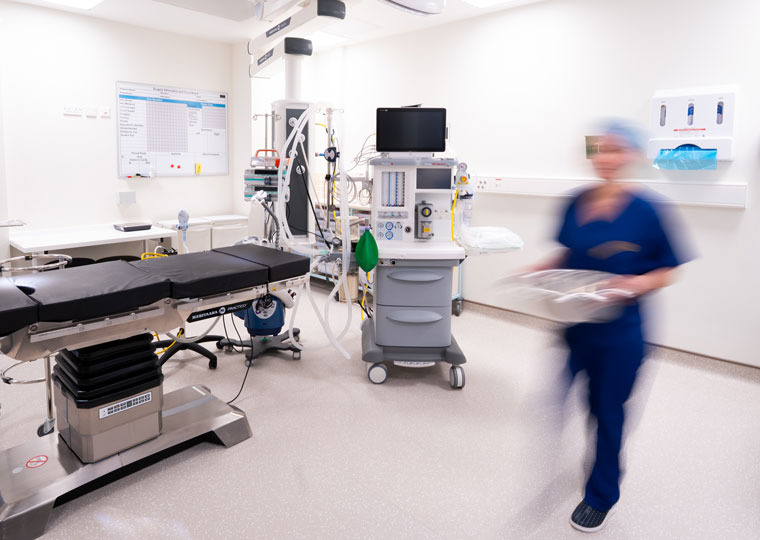
Our operating theatre is a short walk down the corridor from your room. A member of staff from the operating department will come to collect you. Before leading you to the operating theatre, they will conduct a patient handover from your nurse, in which your details will be checked again. We understand that it can be frustrating to repeat your personal details in this way, but this process is important to ensure your safety.
Recovering from Surgery
Following your surgery, if you have had a general anaesthetic, you will be taken to the recovery area, where you will be monitored carefully while you wake up. You might not remember this part of your journey. As you become more awake, the theatre team will take you back to your bedroom or day case pod where you will begin to become more alert. The nursing staff will come and check on you regularly and they will take your blood pressure and pulse, and also check the site of your surgery. You should feel free to doze and slowly recover over the next few hours.
Recovery from Day Case Surgery
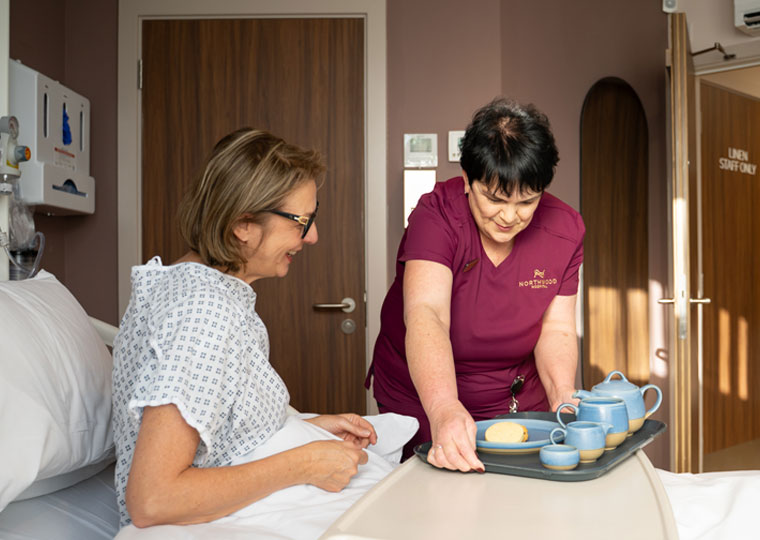
If undergoing day case surgery, once you are more awake, you will be able to have something to eat and drink while you recover in your private pod. Your nurse will check that you are not in any pain, and when you are feeling ready, you will be asked to use the toilet facilities before you are able to go home.
Your nurse will give you pain relief and possibly other medication to take home with you. They will give you all the information you need in order to feel confident when you arrive home. This will include written instructions and advice sheets, and contact information of the appropriate people to call if you have any problems.
Before you depart, you will be given your next appointment for a wound check.
It is important that you have a responsible adult to look after you for the 24 hours after surgery, and to stay with you overnight. We will not be able to let you travel home by public transport or taxi by yourself, so please make sure that you have someone on standby to provide return transportation for you when booking your treatment.

Recovery as an In-Patient
If you have had a longer or more complex procedure and are staying in hospital overnight, you wlll be transferred back to your own bed in your private room. Your nurse will check on you regularly. They will make observations of your vital signs, and ensure that you are not in any pain.
You will be connected to several medical devices that will aid your recovery. As well as stockings, you might have special compression pumps fitted to your legs to help your circulation and reduce the risk of deep vein thrombosis. These will stay in place until you are more mobile and able to walk around. You will be connected to an intravenous drip pump, which will make sure that you are well hydrated. It may also be providing pain relief medication.
As soon as you are able to eat, drink, and take oral painkiller, the drip can be removed.
You might have been fitted with a catheter while you were asleep to monitor your urine output. Usually this can be removed the day after your surgery.
Finally, your surgeon may have placed drains around your wound to make sure that there is no bleeding. These too can usually be removed the following day before you go home.
In the first few hours after you return to your room, you will be encouraged to rest. Each room has dimmable lighting for your comfort. Your ward team will arrange for you to have food and drink when you feel like it. We appreciate that not everyone recovers in the same way, so mealtimes are not prescriptive. You will be able to receive visitors at convenient times for you throughout the day as you recover.
Going home after in-patient surgery
When it is safe to do so, your consultant and the nursing team will discuss plans with you for going home. Your nurse will provide you with all the information you need to recover at home. This will be provided both verbally and in written form. It is often helpful to have a member of your family or your partner or carer with you at this time so that you can all ask questions.
If you will require any medication after leaving, the Hospital will arrange for these to be given to you before you are discharged.
Usually you will be able to go home by 10 a.m. on the day of your discharge, if you have stayed overnight. Please remember to check that you have all your personal belongings with you before you leave.
In case you become worried or uncertain about how to manage your recovery at any point following discharge, we make sure that you will be able to access the information you need. Our regular team are on hand during normal working hours to answer any queries you may have. Out of hours we have a dedicated on-call team who will be delighted to help if you have any urgent problems.