
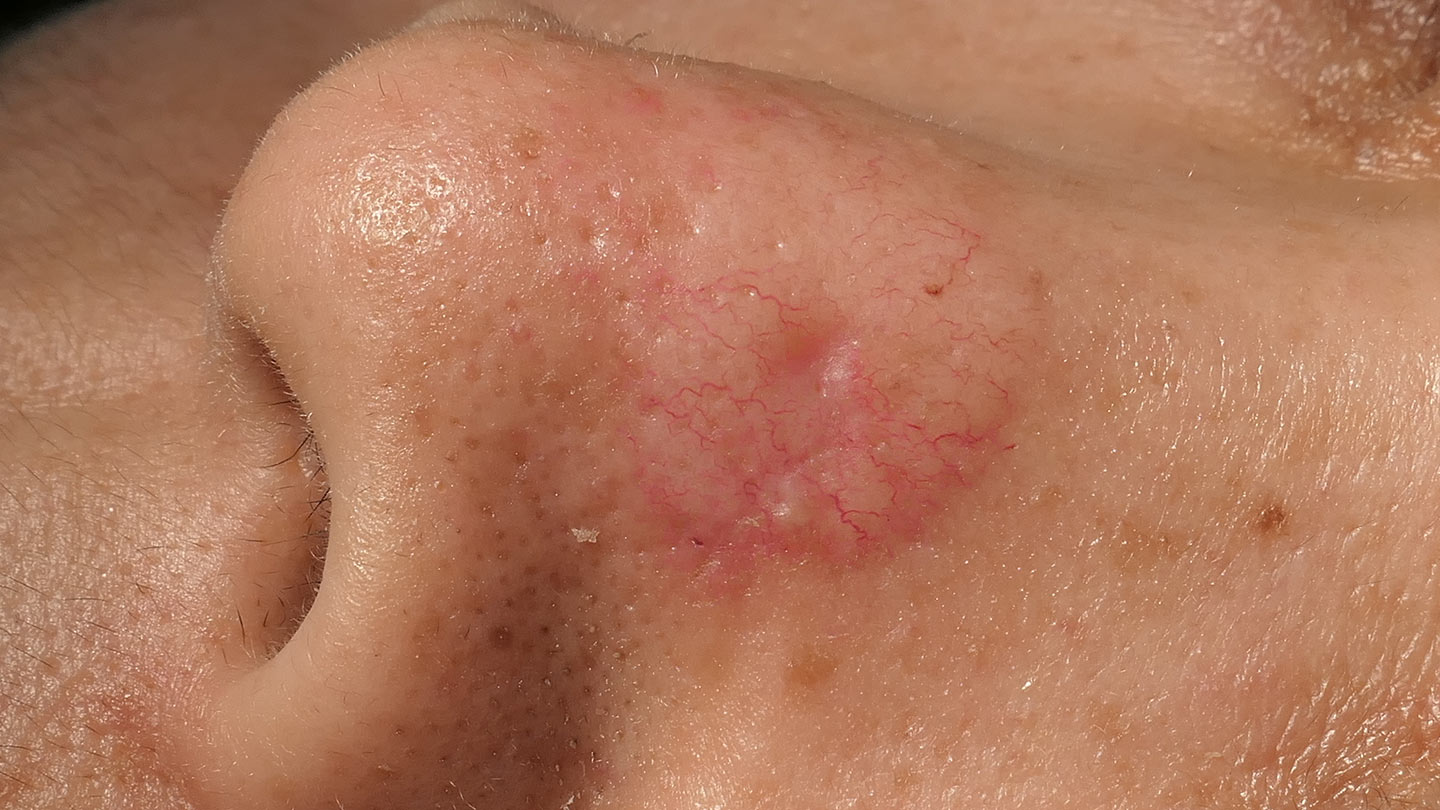
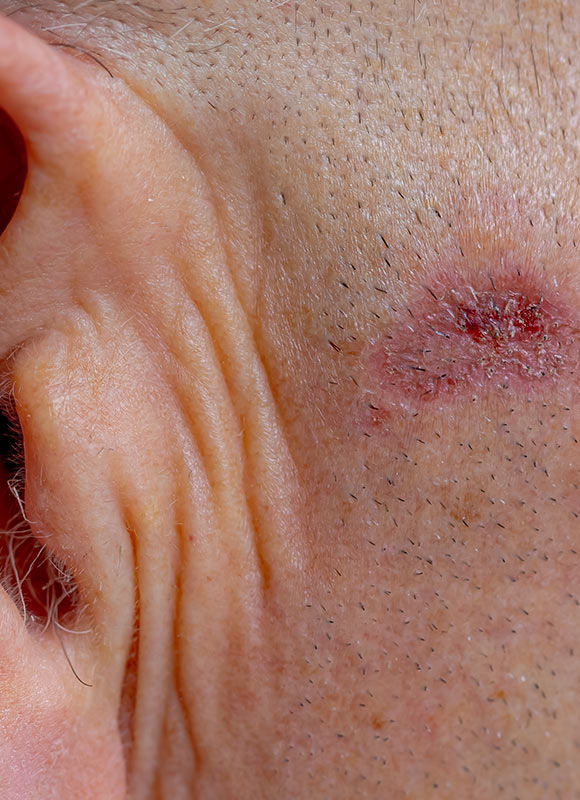
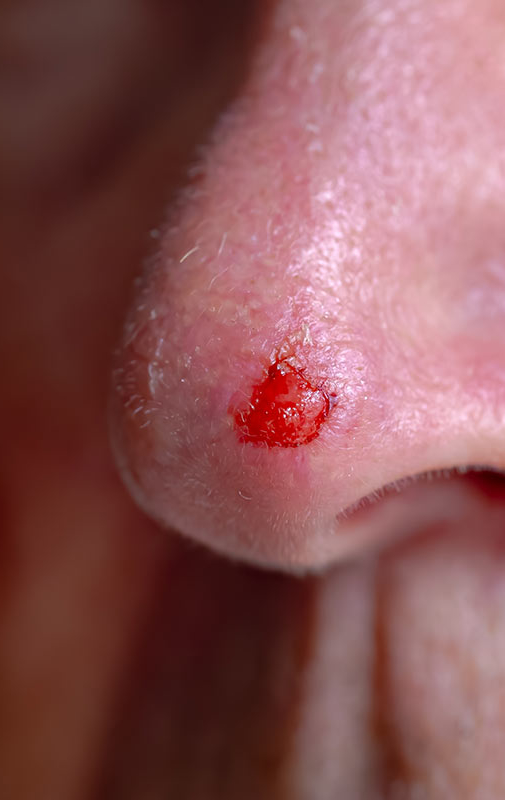
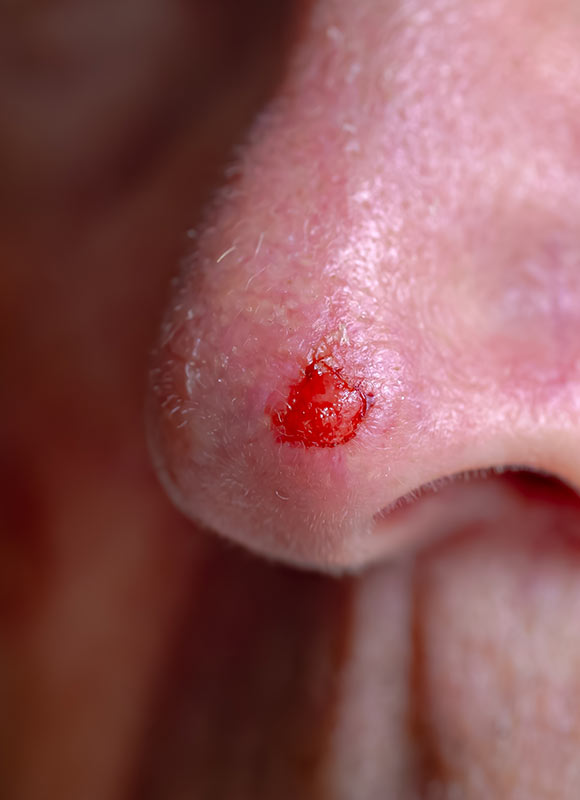
Basal cell carcinoma (BCC) is the most common form of skin cancer, typically developing in areas exposed to the sun such as the face, ears, scalp, and neck. Although it is not thought of as a dangerous cancer, it can grow deeper into the skin and cause damage to surrounding tissues if left untreated. BCC excision involves surgically removing the cancer along with a small margin of healthy tissue to ensure complete removal.
Plastic & Reconstructive Surgery — Skin
BCC Excision
Basal cell carcinoma (BCC) is the most common form of skin cancer, typically developing in areas exposed to the sun such as the face, ears, scalp, and neck. Although it is not thought of as a dangerous cancer, it can grow deeper into the skin and cause damage to surrounding tissues if left untreated. BCC excision involves surgically removing the cancer along with a small margin of healthy tissue to ensure complete removal.
Procedure Overview
BCC excision is for patients diagnosed with basal cell carcinoma through a biopsy. It is recommended for those with lesions that cannot be treated effectively with topical therapies or non-surgical methods. Candidates should be in good general health and able to undergo minor surgery under local anaesthetic.
Aim
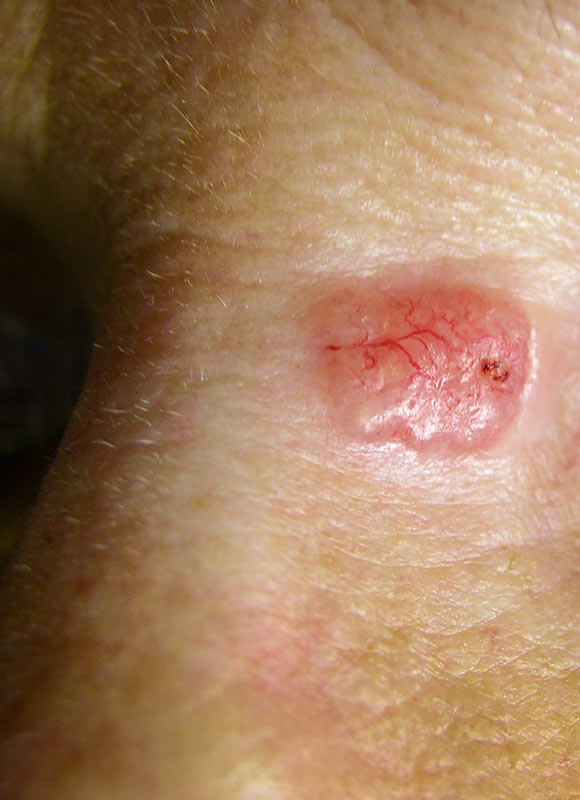
The aim of BCC excision is to completely remove the cancerous tissue, along with a small margin of healthy skin, to ensure all cancer cells are eliminated and to minimise the risk of recurrence.
At A Glance
Tailored to each patient, this procedure offers transformative results for improved confidence.
Expected results:
Complete removal of BCC with clear margins
Treatment time:
30–60 minutes
Anaesthesia:
Local anaesthetic
Recovery time:
1–2 weeks for initial healing
Return to work:
1–2 days (depending on work type and site of surgery)
Lifetime of procedure:
Permanent removal of treated lesion
CONSULTATION
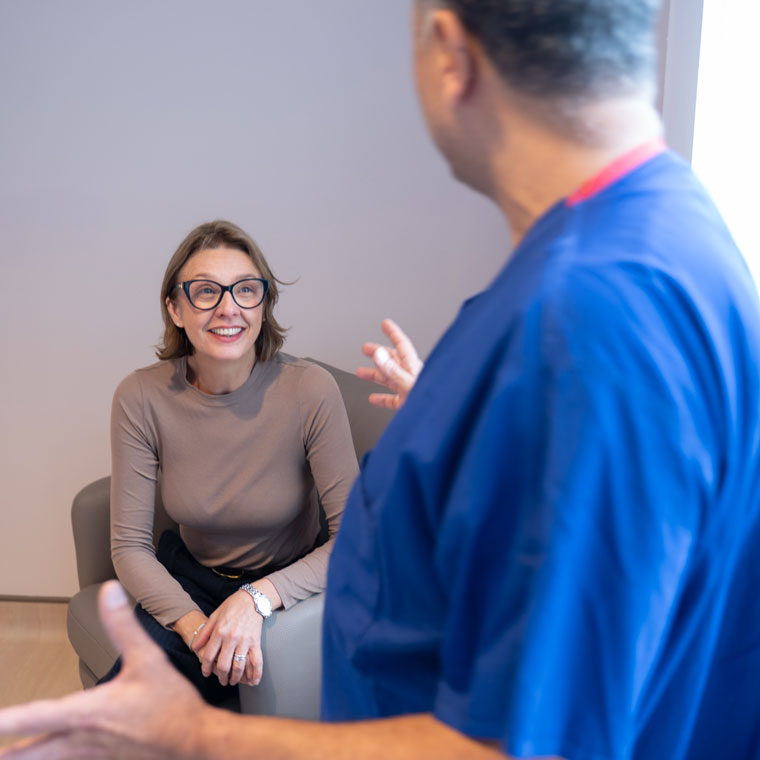
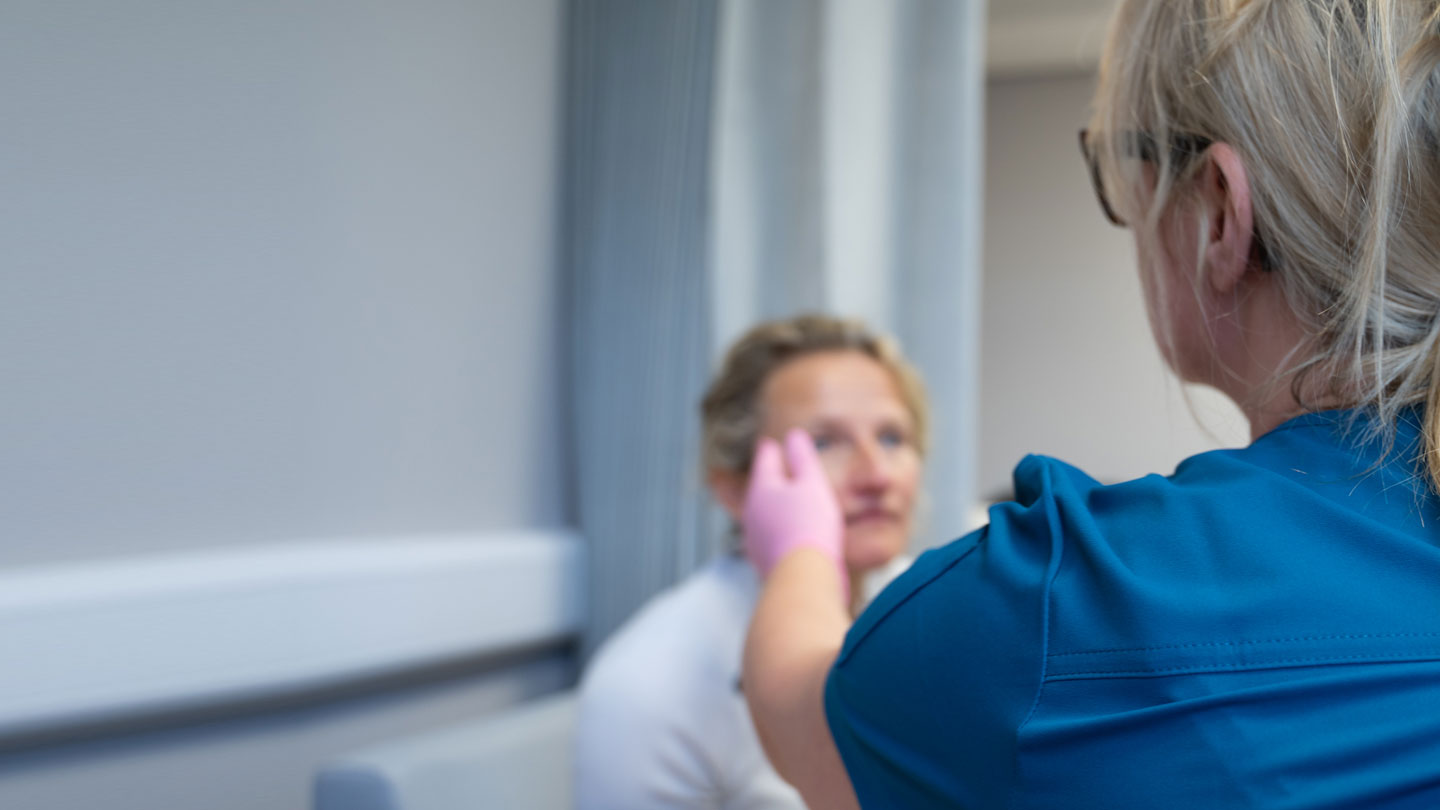
During your consultation, the surgeon will review your biopsy results and examine the affected area. They will explain the surgical process, including the size of the excision, the margin of healthy skin to be removed, and any reconstruction or stitching required. You will be advised about scarring, wound care, and the importance of regular skin checks to monitor for any further skin cancers. Your medical history will be reviewed to ensure the safest approach for you.
SURGERY
The procedure begins with cleaning and numbing the area with a small injection of local aneasthetic. The surgeon removes the BCC along with a safety margin of healthy skin. The tissue is sent to a laboratory for confirmation that all cancer cells have been removed. The wound is then closed with sutures, which may be dissolvable or require removal after about a week. In some cases, a skin flap or graft may be needed for larger defects.
RECOVERY
Mild swelling, redness, and tenderness are normal after surgery. You will receive instructions for keeping the wound clean, applying any prescribed ointments, and protecting the area from sun exposure. Most patients can return to normal activities within a few days, though heavy exercise should be avoided until the wound has healed. Follow-up appointments will confirm that the area is healing well and that the cancer has been fully removed.

Related Concerns
This procedure can treat the following conditions providing optimal outcomes.

Frequently Asked Questions
Is BCC excision safe?
BCC (basal cell carcinoma) excision is a well-established and generally safe procedure when carried out by a qualified and experienced surgeon. As with all surgeries, there is a small risk of infection and bleeding. Specific risks include incomplete removal of the cancerous cells, which may require further treatment, and changes to skin sensation around the surgical site. Advances in surgical planning and techniques have improved precision and reduced complications. Following all pre- and post-operative care instructions, and attending follow-up checks, helps ensure the best results and minimises risks.
How long does the procedure take?
Most BCC excisions take 30 minutes to an hour, depending on the size and location of the lesion. Complex cases that require reconstruction or skin grafting may take longer.
What is the aftercare for BCC excision?
You will receive detailed aftercare instructions following surgery. This will typically include keeping the wound clean and dry, changing dressings as advised, avoiding strenuous activity for a few days, and protecting the area from sun exposure. Mild discomfort is common and can be managed with pain relief. Stitches are usually removed within 5–14 days, depending on the location of the wound.
When can I resume normal activities?
You can return to light daily activities within a day or two, but should avoid heavy lifting, vigorous exercise, and swimming until your surgeon confirms it is safe.
Does BCC excision require an overnight stay?
No. It is almost always done as a day case under local anaesthetic. You will be able to go home the same day once the surgical site has been checked and dressed.

Guide Price
The cost for each procedure is tailored to each patients needs post a consultation.
Prices start from
Please enquire

Related Procedures
You may also be interested in the following procedures performed by a top specialists in a state-of-the-art setting.
From advanced surgical procedures to less invasive treatments, our expert team are here to ensure you receive safe, personalised and effective care.
Our Professionals
With decades of expertise, your specialist team will guide you through every aspect of your procedure.