
Breast augmentation surgery (also known as breast enlargement, augmentation mammoplasty, breast enhancement, and colloquially as a ‘boob job’) is undertaken to increase breast size, alter breast shape, or improve breast symmetry. It involves the use of implants to achieve the desired outcome.
Plastic & Reconstructive Surgery — Breast
Breast Augmentation
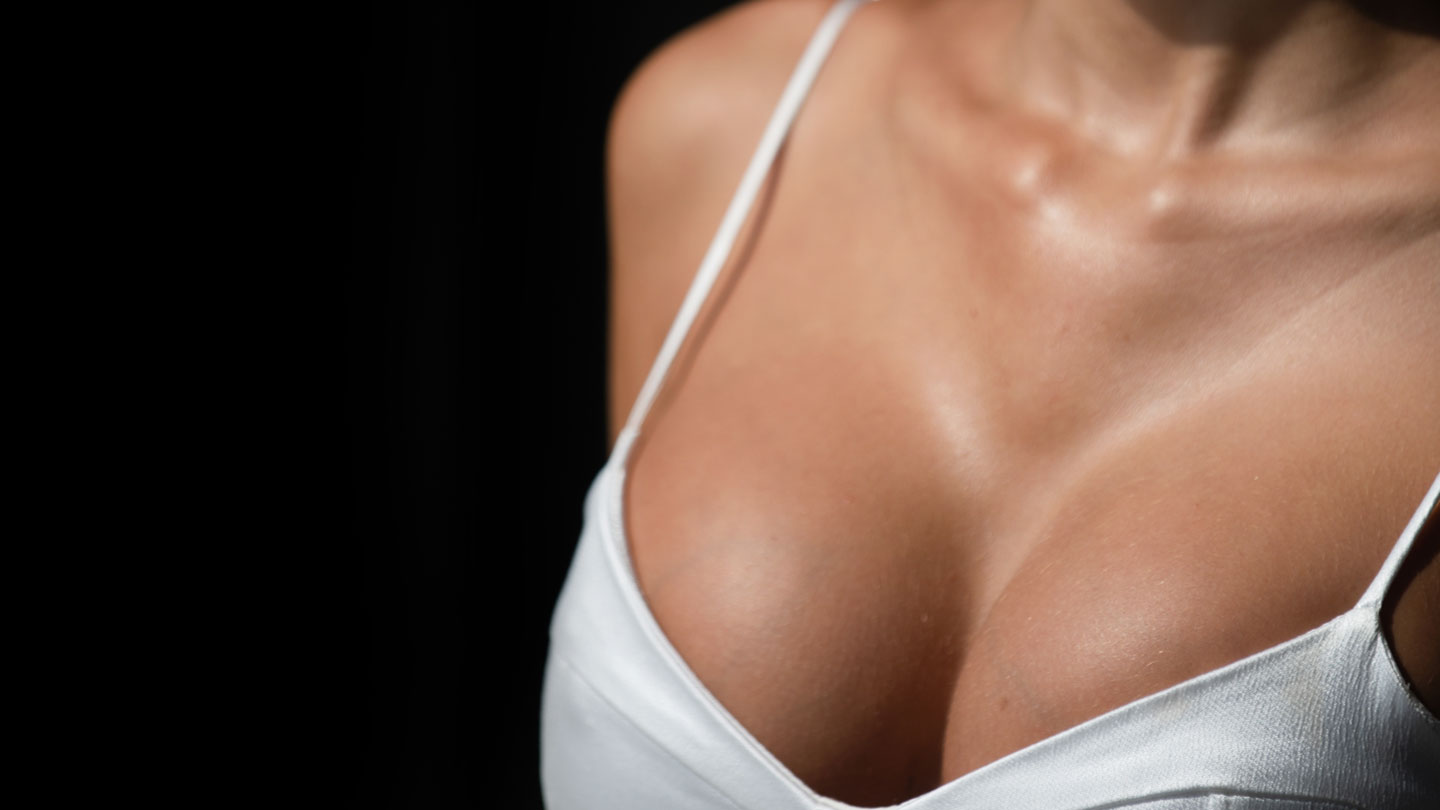
Breast augmentation surgery (also known as breast enlargement, augmentation mammoplasty, breast enhancement, and colloquially as a ‘boob job’) is undertaken to increase breast size, alter breast shape, or improve breast symmetry. It involves the use of implants to achieve the desired outcome.
Procedure Overview
This surgery is for anyone who wants to increase the size of their breasts, change the shape of them, and/or enhance breast symmetry. You may be seeking to restore volume lost due to pregnancy, weight loss, or ageing. You may simply feel that an increase in the size of your breasts or a change in their shape will enhance your overall appearance and give you more confidence in your body. The decision to undergo this surgery is a highly personal one and should be made after careful consideration. Lack of breast development (hypoplasia) or breast asymmetry are common reasons for seeking breast augmentation.
Aim
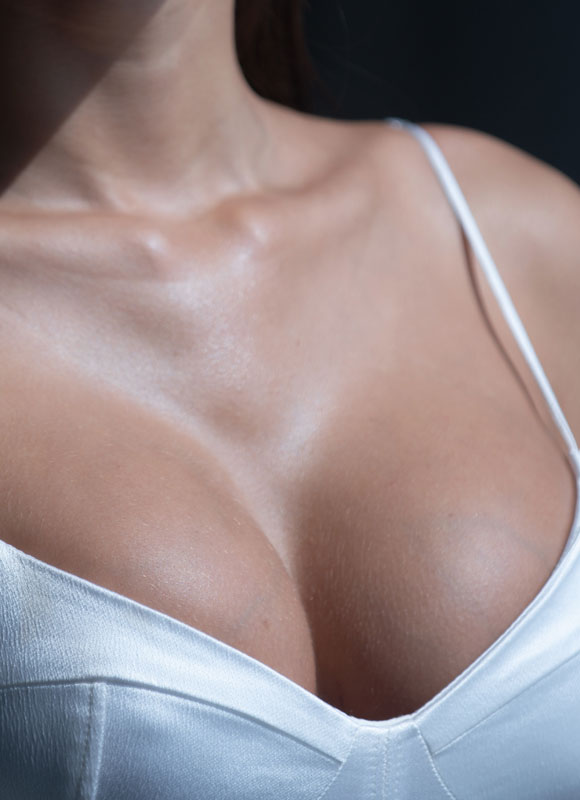
The surgery aims to deliver authentic-looking breasts of a size and shape that you feel comfortable with.
At A Glance
Tailored to each patient, this procedure offers transformative results for improved confidence.
Expected results:
Breasts of a size and shape you are happy with
Treatment time:
1–1.5 hours
Anaesthesia:
General anaesthetic
Recovery time:
4–6 weeks
Return to work:
1–2 weeks
Lifetime of procedure:
Implants last 10-20 years
CONSULTATION
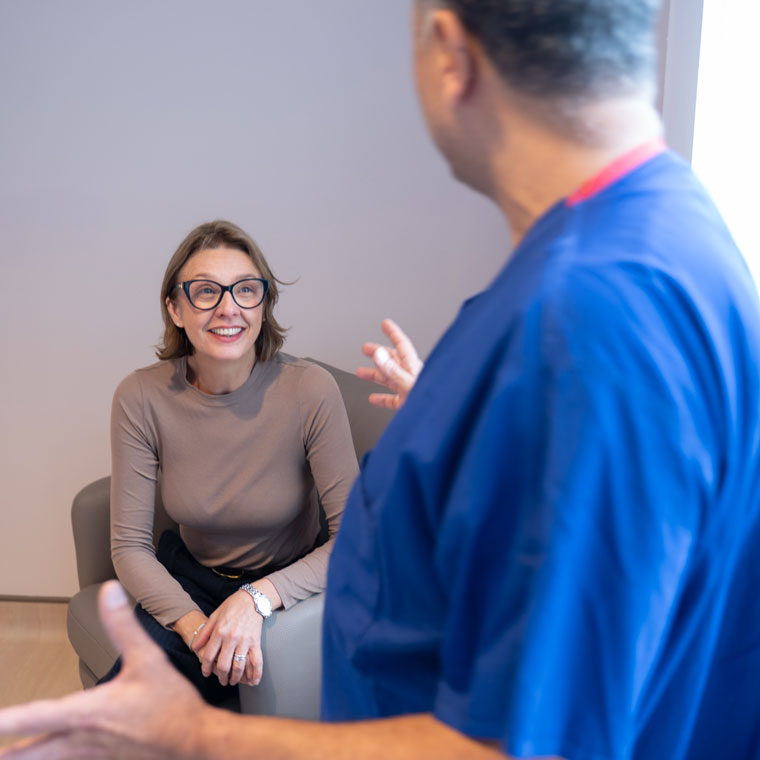
A key aspect of breast augmentation is that it is carefully tailored to your personal situation and preferences. During the initial consultation, your surgeon will gather what outcome you want in terms of the desired breast size and shape. This will enable the surgeon to determine the appropriate implant and the ideal placement to achieve the desired outcome.
Implants come in different shapes: round, teardrop, and progressive gel type. They also vary in ‘profile,’ which refers to: the width of the implant, its volume, and its projection from the chest wall. There are low, medium, high, and ultra-high profiles, with low and medium profile implants making for a more subtle enhancement with an emphasis on natural-looking breasts, and high and ultra-high profiles producing a more dramatic change in the appearance of the breasts. The shape and profile of the implant will be selected on the basis of your anatomy and the desired result.
At Northwood Hospital, we use a range of brands such as Silimed, Mentor, Polytech, and B-Lite to help you achieve the ideal breast shape. A triple assessment is carried out to ensure near-perfect results every time. You will perform a rice test at home (place dry rice in tights and weigh it on kitchen scales), followed by using external sizers to give you an idea of what you will look like. 3D images are then taken and morphed to provide a realistic preview of your potential appearance. Please bring a sports bra to your consultation that you would like to wear following your operation
During the consultation your surgeon will need to examine your breasts to check for any lumps or bumps that you may not have noticed, and if there are any concerns you may need to have a scan before proceeding with surgery (usually an ultrasound scan). Your breasts may be measured so that the surgeon can help you decide the best choice and size of implant for your desired result.
SURGERY
Breast augmentation is performed under general anaesthetic and takes approximately 1 to 1.5 hours.
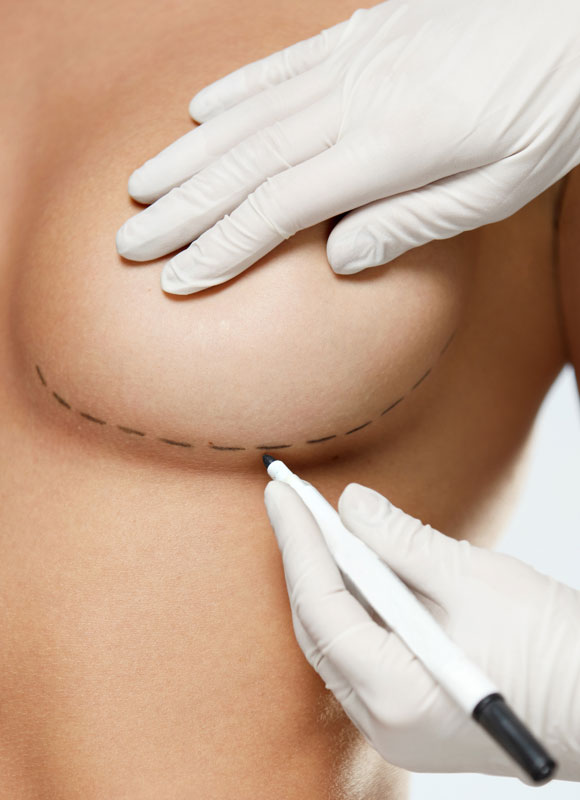
The implant is usually inserted through an incision under the breast. The placement of the incision here means that the resulting scar will be well hidden under the fold of the breast. It is also possible to have the incision made around the nipple. This makes for a similarly discreet scar, and can be a good choice for individuals who also want to have the size of their areola adjusted. If combined with a breast uplift operation (mastopexy), the same incision will be used for the both the uplift and the augmentation. This may just be around the nipple, or it may be around the nipple and vertically down the bottom half of the breast, or around the nipple and both vertically down the breast and horizontally across the base, depending on the individual case.
The implants may be placed under the breast gland (sub-glandular plane), under the chest muscle (sub-fascial plane), or partly under each (dual plane). The appropriate placement depends on the volume of your existing breasts, your expectations for the surgery, and how physically active you are. A decision on the plane of the implant will be made pre-operatively, but it may change during the operation if the surgeon deems this advisable. The options will be discussed in detail with you at your consultation.
Breast augmentation is a thoroughly personalized procedure. Every aspect of the surgery is customised to suit your distinctive anatomy, lifestyle, and aesthetic goals.
RECOVERY
Following your surgery, you may experience swelling, bruising, and mild discomfort. Painkillers may be required for a few days afterwards. A supportive surgical bra will also need to be worn for 6 weeks to support your breasts and for comfort. After 1 to 2 weeks you may be able to resume light activities and return to work, depending on the nature of your job. After 4 to 6 weeks, swelling will have decreased, and you may be able to return to more vigorous activities. Your implants will continue to settle into their final position. Full results are typically evident at 3 to 6 months post-surgery. As residual swelling resolves, and scars begin to fade, your enhanced natural-looking breasts develop.

Related Concerns
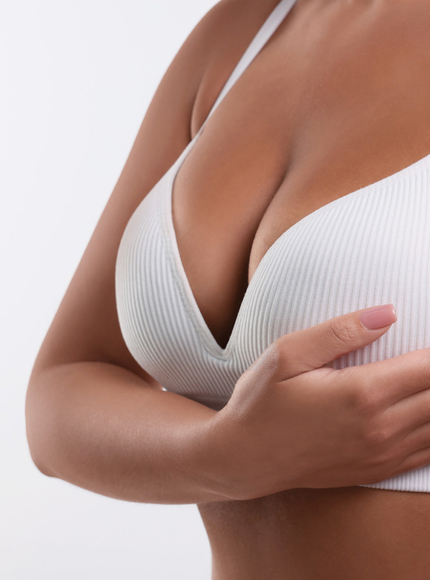
This procedure can treat the following conditions providing optimal outcomes.
Frequently Asked Questions
Is breast augmentation safe?
Breast augmentation is a well-established procedure, and considered safe when performed by a qualified and experienced surgeon. Like any surgery, it involves the risk of infection, bleeding and permanent scarring. Some patients may experienced change in nipple sensation although this is usually temporary. It also carries more specific risks, such as capsular contracture (when the scar tissue around the implants thickens and tightens, causing discomfort and altering the shape of the breast) and implant rupture. Rarely an implant can change position and results in asymmetry which is more common when using anatomical shaped implants. Advances in surgical techniques and implant technology have significantly reduced the risk of complications. Regular check-ups after the surgery are also important for ensuring safety and satisfaction.
How long do implants last?
Breast implants typically last 10–20 years and may last longer, depending on the type of implant and individual factors. Silicone implants in particular are highly resilient, with advanced designs reducing the likelihood of rupture or leakage. But it is important to understand that breast implants are not lifetime devices, and routine monitoring is important to assess their condition. Some patients eventually choose to replace their implants. This may be due to changing personal preferences or simply to natural changes to the body, whether from ageing, weight fluctuation, or pregnancy. The surgeons will provide guidance on when to consider replacing implants.
What is the aftercare for breast augmentation?
Good aftercare is vital for a smooth recovery and optimal results. You will be given follow-up appointments after surgery to monitor healing and progression of results. For around 6 weeks, you will need to wear a supportive surgical bra both day and night. This serves to minimise swelling and support healing. You should also avoid heavy lifting, strenuous exercise, and sleeping on your stomach during this time. Keeping incisions clean and dry throughout the healing process is essential to prevent infection. Minor discomfort is normal and can be managed with pain relieving medication. Following these guidelines will ensure a faster recovery and help achieve excellent long-lasting results.
When can I resume driving after surgery?
Patients can typically resume driving 1 to 2 weeks after breast augmentation, provided they are no longer taking prescription pain medication, are pain free, and can do an emergency stop. It is important that you have full mobility in the arms and chest, and that the seatbelt does not irritate your breast area.
When can I go to the gym or play sport?
It is usually recommended to avoid any aerobic exercise or weight lifting exercises at the gym for the first 2 weeks after surgery until the wounds have healed. After this time, once you feel comfortable you may build up aerobic activities, and by 6 weeks after surgery you will be able to do upper body weights and heavy exercise. Swimming should be avoided for at least 3 weeks post surgery (for wound healing purposes).
Does breast augmentation require an overnight stay?
Breast augmentation is typically performed as a day case procedure, meaning patients can go home on the same day. The surgery generally takes 1 to 1.5 hours, and is followed by a short observation period in a recovery room. Patients must arrange for someone to drive them home and stay with them for the first 24 hours after surgery.
Guide Price
The cost for each procedure is tailored to each patients needs post a consultation.
Prices start from
Please enquire

Related Procedures
You may also be interested in the following procedures performed by a top specialists in a state-of-the-art setting.
From advanced surgical procedures to less invasive treatments, our expert team are here to ensure you receive safe, personalised and effective care.
Our Professionals
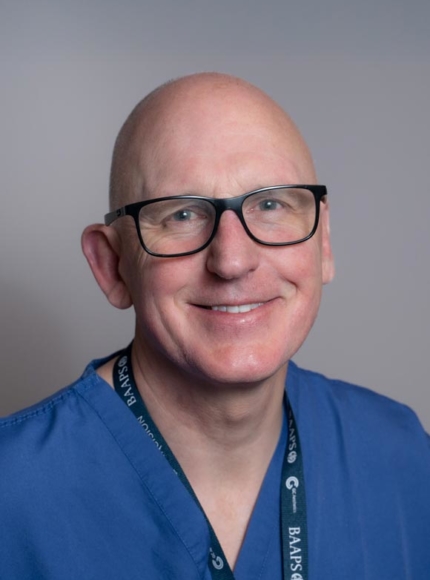
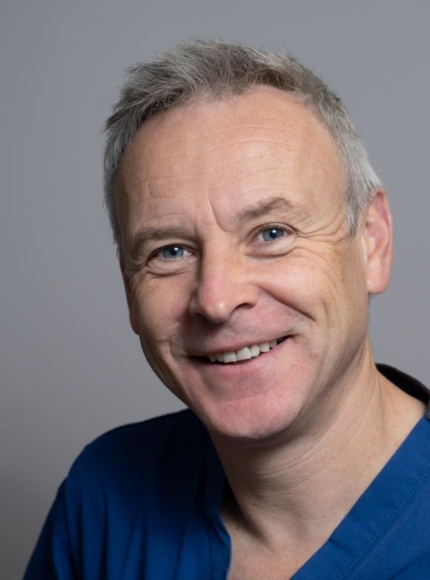
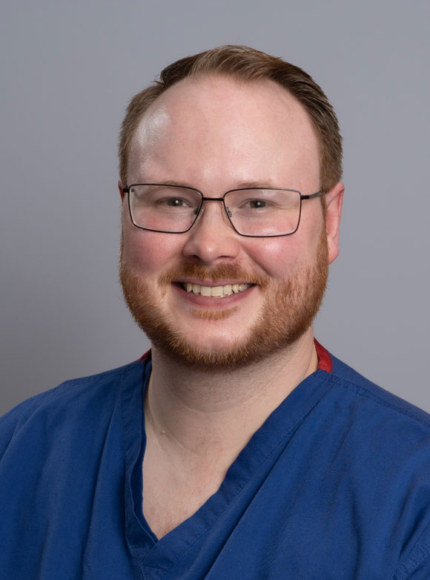
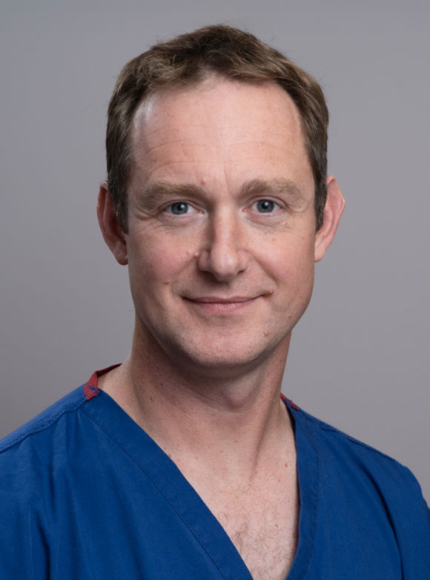
With decades of expertise, your specialist team will guide you through every aspect of your procedure.