
Eyelid surgery, or blepharoplasty, removes excess skin, fat, and muscle from the upper or lower eyelids to refresh and rejuvenate the eyes. Some people are concerned that they appear older and tired all the time due to the hooded appearance of excess skin around the eyes. This type of surgery will achieve a younger fresher appearance and boost self esteem.
Plastic & Reconstructive Surgery — Face
Eyelid Surgery
Blepharoplasty
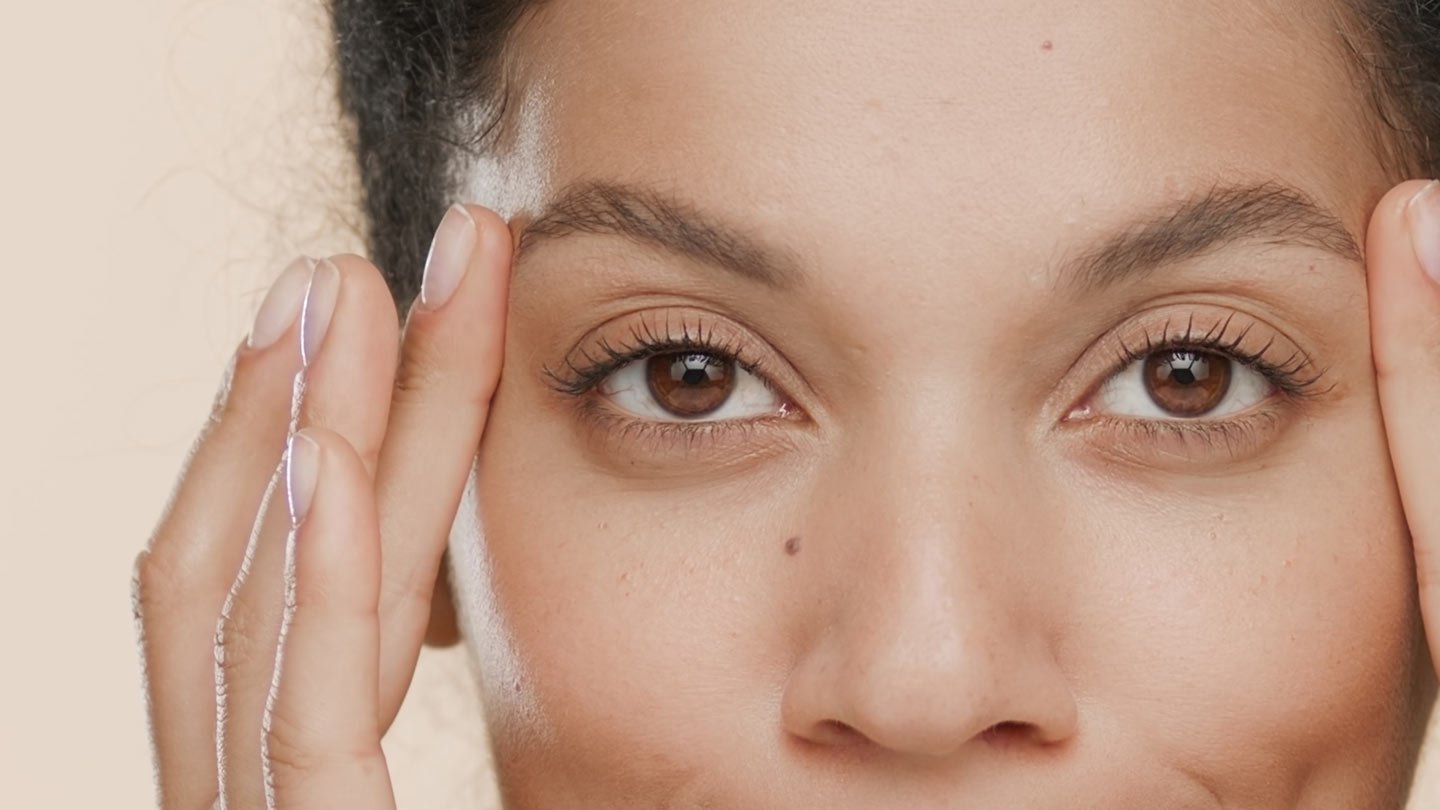
Eyelid surgery, or blepharoplasty, removes excess skin, fat, and muscle from the upper or lower eyelids to refresh and rejuvenate the eyes. Some people are concerned that they appear older and tired all the time due to the hooded appearance of excess skin around the eyes. This type of surgery will achieve a younger fresher appearance and boost self esteem.
Procedure Overview
Individuals with drooping upper eyelids, puffiness, or bags under the eyes that create a tired appearance.
Aim
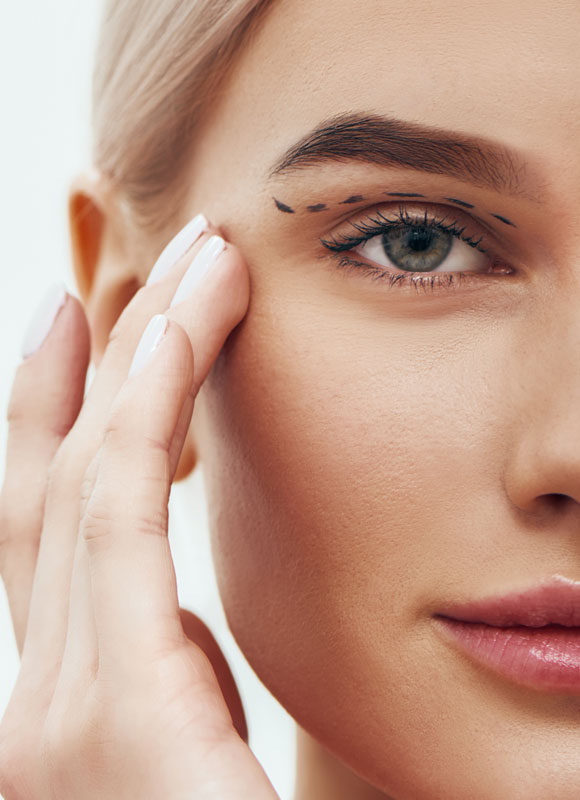
The surgery aims to refresh the eye area by reducing sagging, puffiness, and excess skin, producing a brighter, more youthful look.
At A Glance
Tailored to each patient, this procedure offers transformative results for improved confidence.
Expected results:
Refreshed, youthful eye area
Treatment time:
1–2 hours
Anaesthesia:
Local anaesthesia with sedation or general anaesthesia
Recovery time:
1–2 weeks
Return to work:
1 week
Lifetime of procedure:
Long-lasting

CONSULTATION
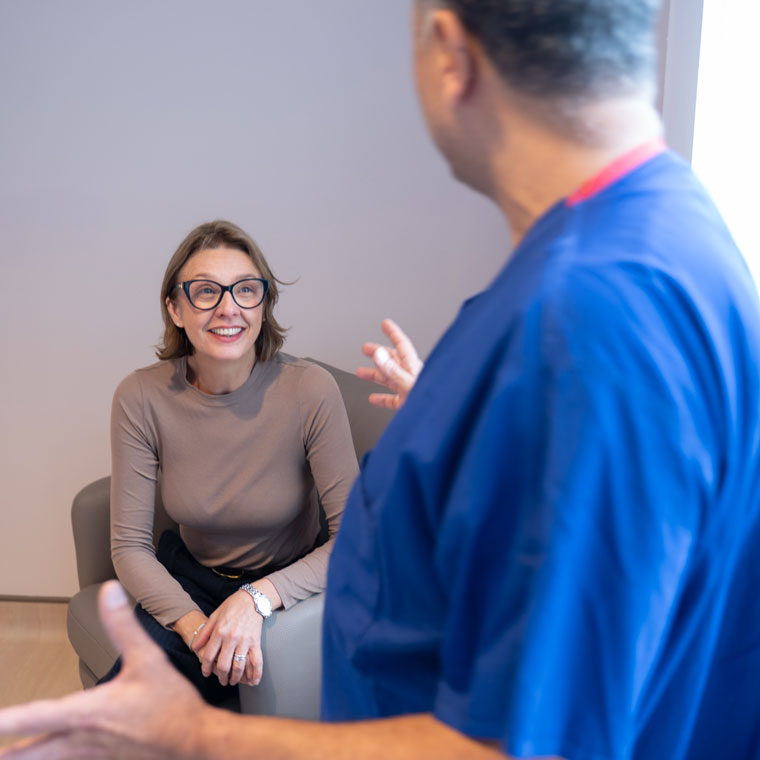
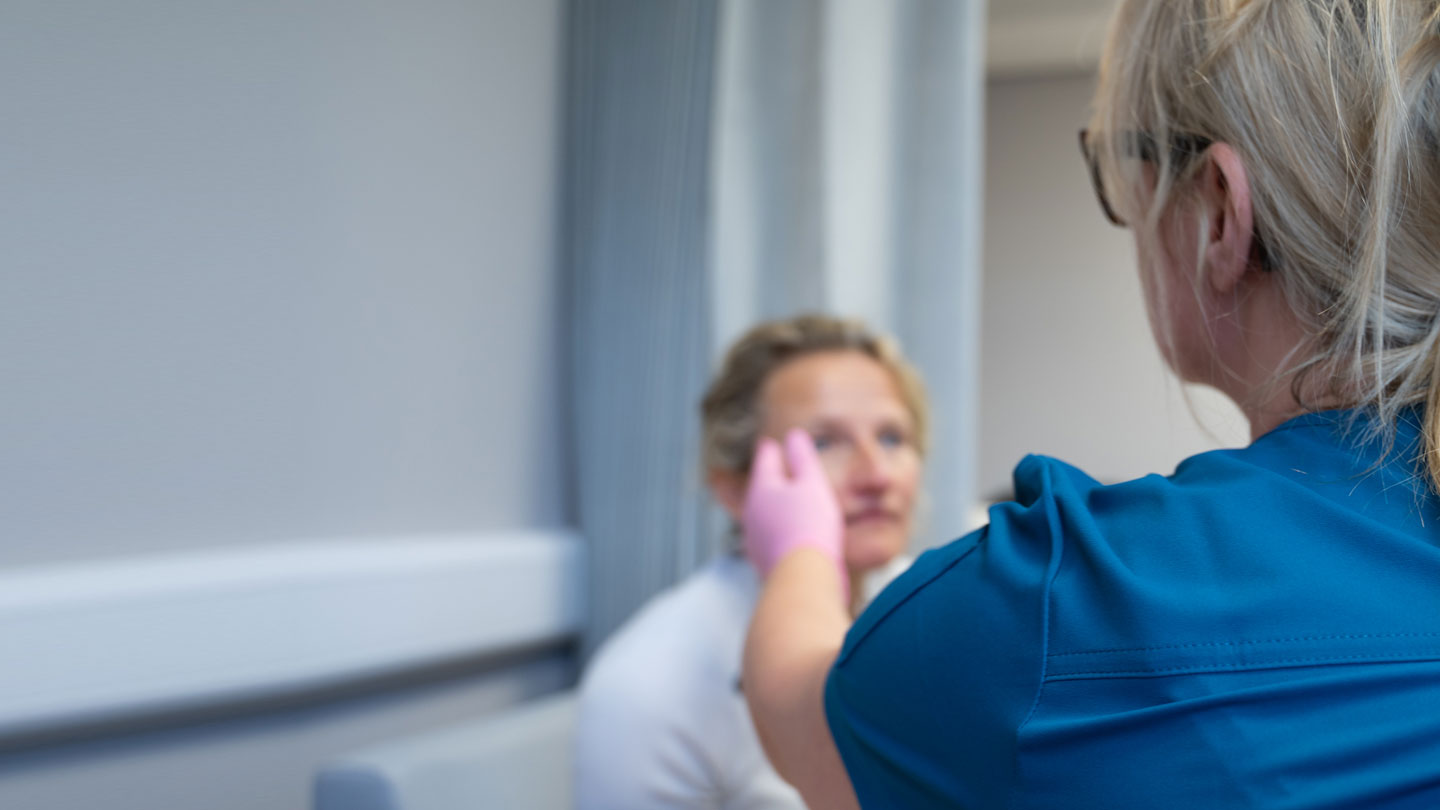
At the consultation your surgeon will talk to you about your concerns, and ask about your general health and any visual symptoms. Sometimes excess skin in the upper eyelids can obstruct vision and this will be important to know when you attend the clinic. Your eye area and face in general will be examined carefully, photographs may be taken, and your surgeon will determine whether upper, lower, or combined eyelid surgery is needed. You will have the opportunity to ask questions and have any worries addressed.
PREOP PREPARATION
Setting aside time to focus on preparation before you attend for surgery is important if you wish a successful outcome. Healthy eating (avoiding refined sugars, and ultra processed foods), reducing alcohol consumption and stopping smoking, vaping or taking recreational drugs is extremely important in the 6 weeks running up to surgery.
If you are unwell for any reason in the run up to surgery it is important to let your team know as occasionally it is safer to postpone any treatment until you are in full health. Please let your surgeon know if you are taking any herbal remedies, or blood thinners such as aspirin during your pre-op assessment as these may need to be stopped before surgery.
SURGERY
Incisions are made in the natural eyelid creases or inside the eyelid itself. Fat is repositioned or removed, and excess skin is trimmed. Occasionally the eyelid muscle is also trimmed and tightened to create a smoother eyelid contour and a youthful appearance.
RECOVERY
Bruising and swelling around the eyes is very common after this surgery. You will be encouraged to sleep in a propped up position on extra pillows to help reduce swelling. Cold compresses alongside pain medication also help to manage discomfort. Some patients occasionally experience mild blurring of vision, and sensitivity to light. This usually improves over several days as the swelling decreases. Most patients return to work in 7–10 days, with final results visible after several weeks.

Related Concerns
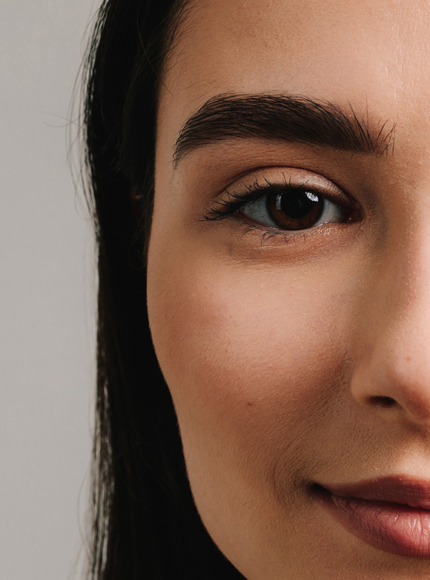
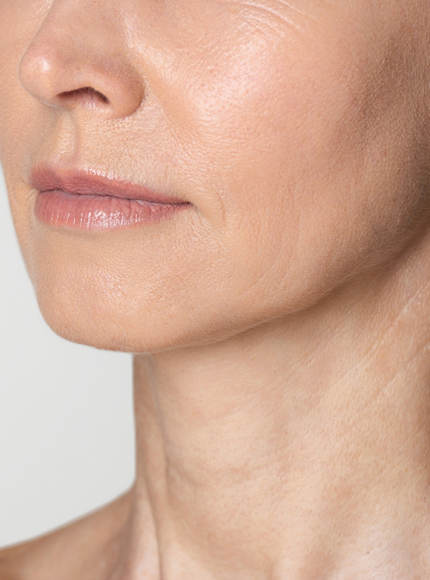
This procedure can treat the following conditions providing optimal outcomes.
Frequently Asked Questions
Is eyelid surgery safe?
Eyelid surgery is considered safe, especially when carried out by an experienced surgeon. Potential risks include infection, dry eyes, temporary blurred vision, or asymmetry, but serious complications are rare.
Will the results be permanent?
The results of upper eyelid surgery often last 10–15 years, while lower eyelid surgery is usually permanent. However, ageing continues and further procedures may be desired in the future.
Will there be visible scars?
Incisions are carefully placed in the natural folds of the eyelids or inside the lower lid. Once healed, they are typically unnoticeable.
Can this surgery improve vision?
Yes. If excess skin on the upper eyelids is obstructing your vision, removing it can improve your visual field and eye comfort.
How long is the recovery period?
Bruising and swelling usually subside within 1–2 weeks. Cold compresses help reduce swelling. Makeup can usually be worn after 10–14 days.
Is the surgery painful?
Mild discomfort is normal in the first few days and can be managed with standard pain relief. Most patients find the procedure very tolerable.
When can I return to normal activities?
Most people return to work within a week. Strenuous activity should be avoided for at least two weeks, and eye protection (e.g., sunglasses) is advised during healing.

Guide Price
The cost for each procedure is tailored to each patients needs post a consultation.
Prices start from
Please enquire

Related Procedures
You may also be interested in the following procedures performed by a top specialists in a state-of-the-art setting.
From advanced surgical procedures to less invasive treatments, our expert team are here to ensure you receive safe, personalised and effective care.




Our Professionals
With decades of expertise, your specialist surgeon will guide you through every aspect of your procedure.