
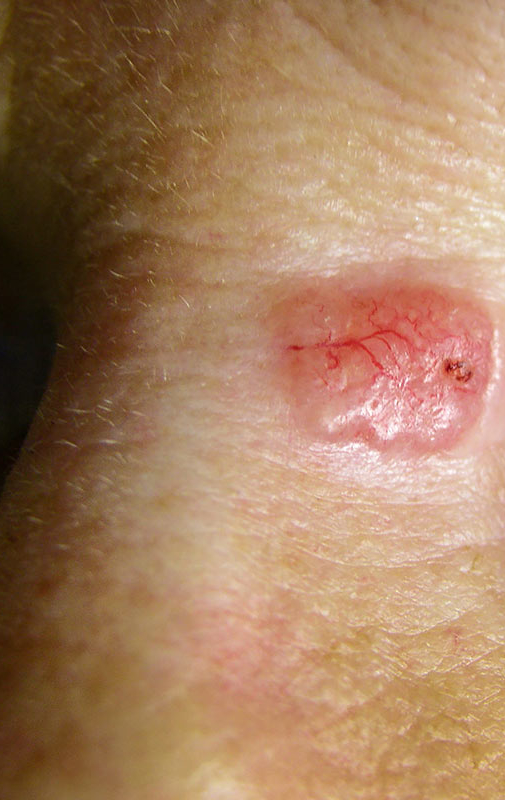
Mole removal is a minor surgical procedure to remove unwanted or suspicious moles from the skin. Moles can be removed for medical reasons, such as when there is a concern about skin cancer, or for cosmetic reasons if they are bothersome in appearance or location. Removal is quick, effective, and performed under local anaesthetic.
Plastic & Reconstructive Surgery — Skin
Mole Removal
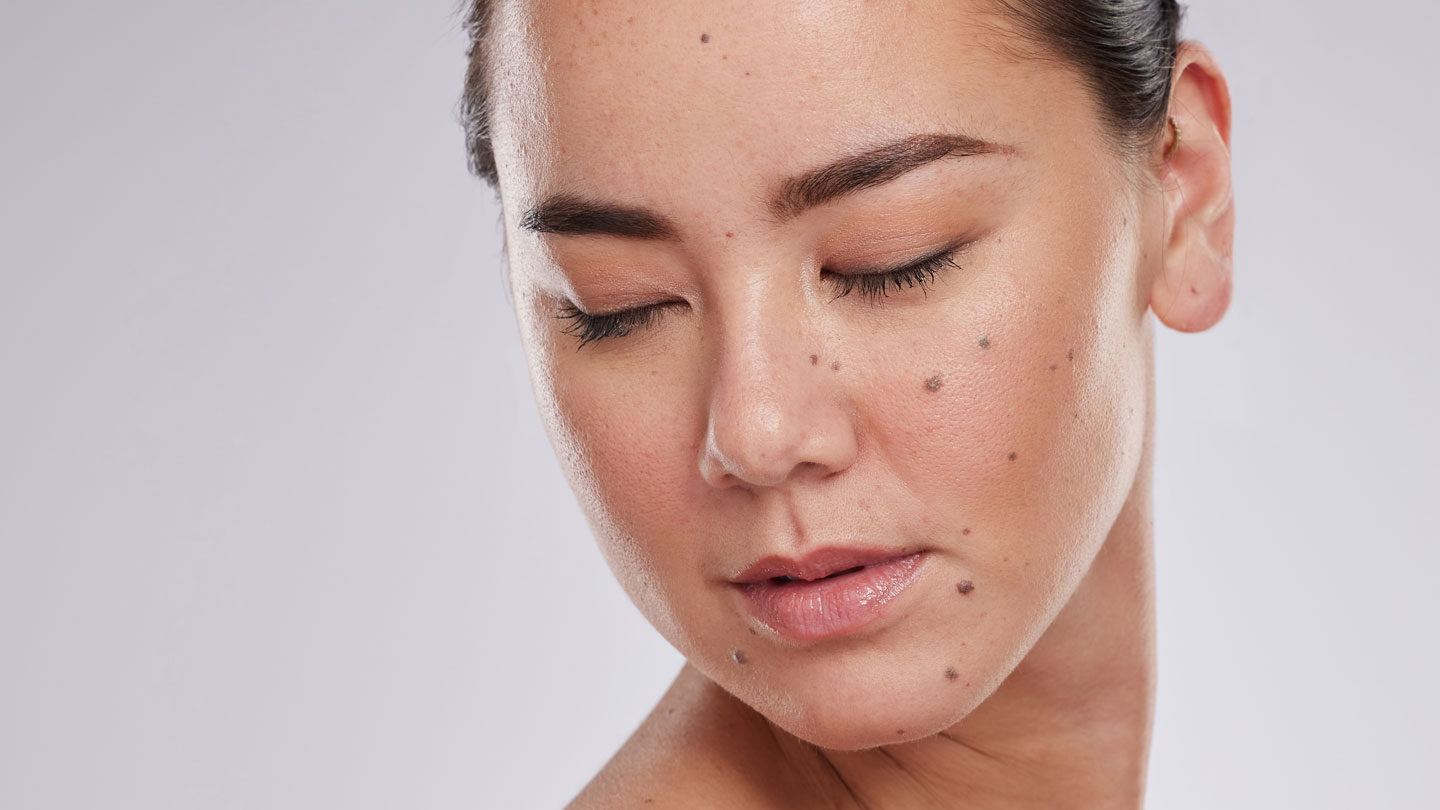
Mole removal is a minor surgical procedure to remove unwanted or suspicious moles from the skin. Moles can be removed for medical reasons, such as when there is a concern about skin cancer, or for cosmetic reasons if they are bothersome in appearance or location. Removal is quick, effective, and performed under local anaesthetic.
Procedure Overview
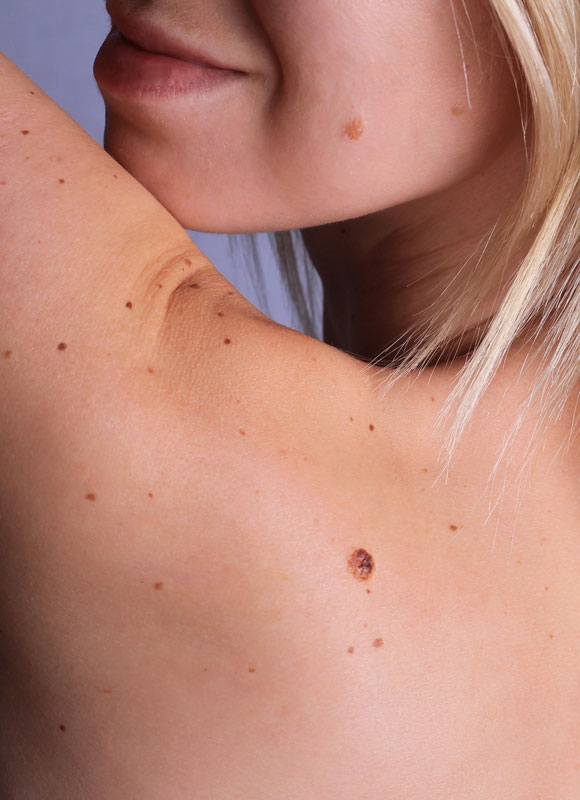
Mole removal is suitable for patients with moles that have changed in size, shape, or colour, or that cause irritation. It is also an option for those who simply wish to have a mole removed for aesthetic reasons. Patients should be in good general health and have realistic expectations of the outcome.
Aim
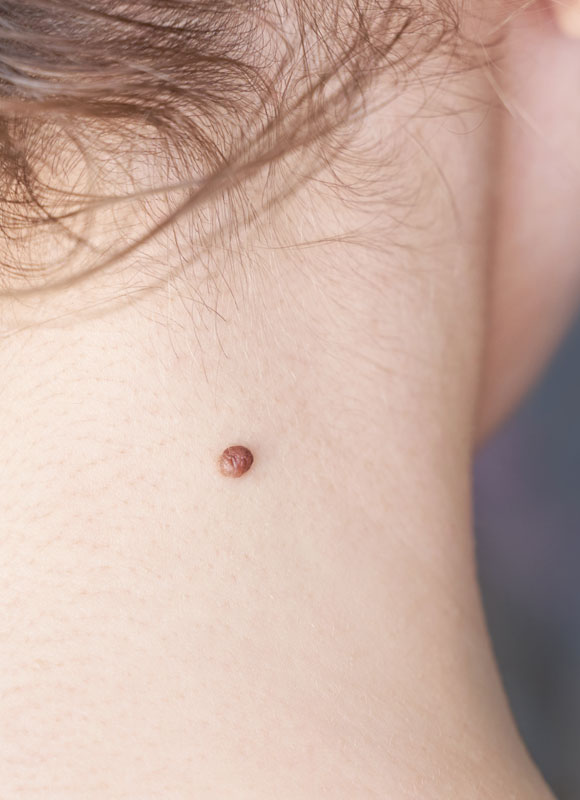
The aim of mole removal is to safely remove the mole, either to address a medical concern or to improve the cosmetic appearance of the skin.
At A Glance
Tailored to each patient, this procedure offers transformative results for improved confidence.
Expected results:
Permanent removal of mole
Treatment time:
20–40 minutes
Anaesthesia:
Local anaesthetic
Recovery time:
1–2 weeks
Return to work:
Same day or next day
Lifetime of procedure:
Permanent removal of treated mole
CONSULTATION
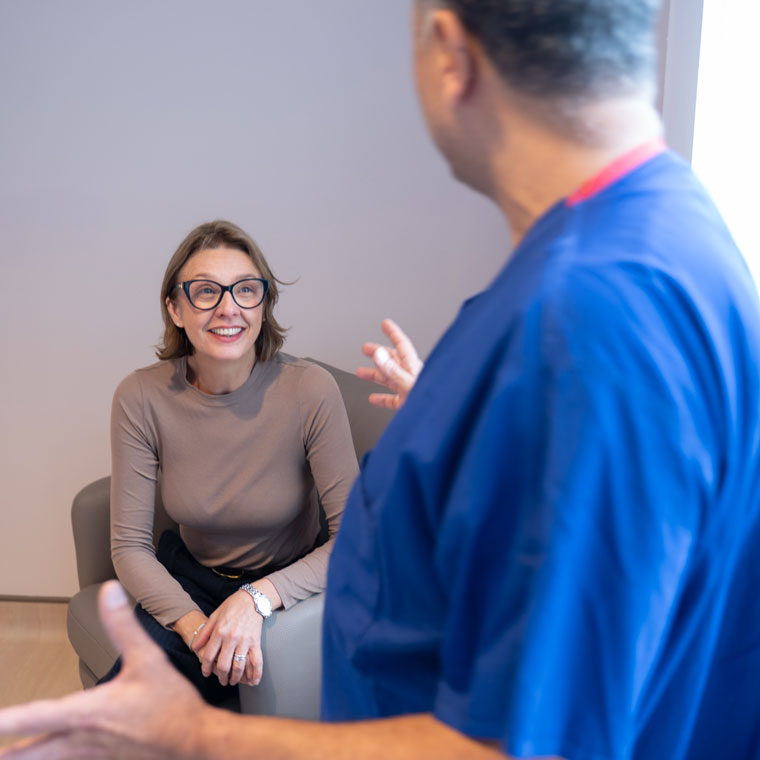
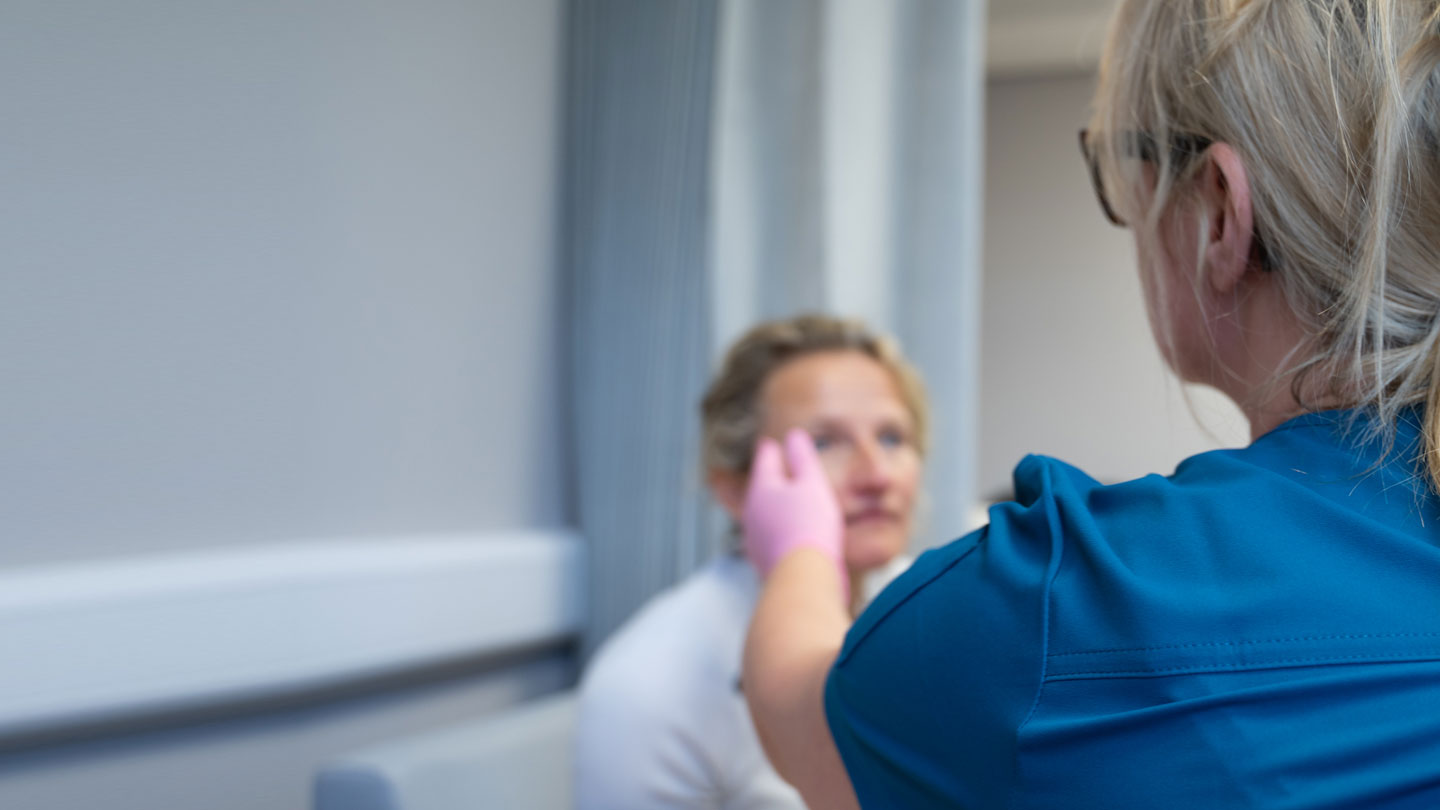
During the consultation, the surgeon will assess the mole and discuss whether removal is recommended for medical or cosmetic reasons. If there is concern about skin cancer, the mole will be sent for histological examination after removal. The consultation will also cover the removal technique, expected scar, and aftercare instructions.
SURGERY
After numbing the area with local anaesthetic, the mole is removed using either surgical excision (cutting out the mole with a margin of skin) or shave excision (removing the mole from the skin’s surface). The wound is then closed with sutures if required.
RECOVERY
Patients can return to normal activities almost immediately, though strenuous exercise should be avoided for a few days to protect the wound. Mild redness, swelling, or tenderness is common, and will settle as the area heals. Stitches, if present, are usually removed within a week.

Related Concerns
This procedure can treat the following conditions providing optimal outcomes.
Frequently Asked Questions
Is mole removal safe?
Mole removal is a safe and common procedure when performed by an experienced clinician. Risks are minimal but can include infection, bleeding, scarring, and, rarely, recurrence of the mole. If the mole appears suspicious, removal is recommended to allow for laboratory testing and early detection of potential skin cancers.
How long does mole removal take?
The procedure usually takes less than 30 minutes. It can usually be done under local anaesthetic, and you should be able to go home immediately afterwards.
What is the aftercare for mole removal?
Care instructions will include keeping the area clean, changing dressings if required, avoiding picking at the scab, and protecting the area from sun exposure. Stitches, if used, are typically removed within 5–14 days.
When can I resume normal activities?
Most people can return to normal activities right away, but should avoid vigorous exercise for the first few days to prevent strain on the wound.
Does mole removal require an overnight stay?
No. It is an outpatient procedure, and you will be able to go home the same day.

Guide Price
The cost for each procedure is tailored to each patients needs post a consultation.
Prices start from
Please enquire

Related Procedures
You may also be interested in the following procedures performed by a top specialists in a state-of-the-art setting.
From advanced surgical procedures to less invasive treatments, our expert team are here to ensure you receive safe, personalised and effective care.
Our Professionals
With decades of expertise, your specialist team will guide you through every aspect of your procedure.