
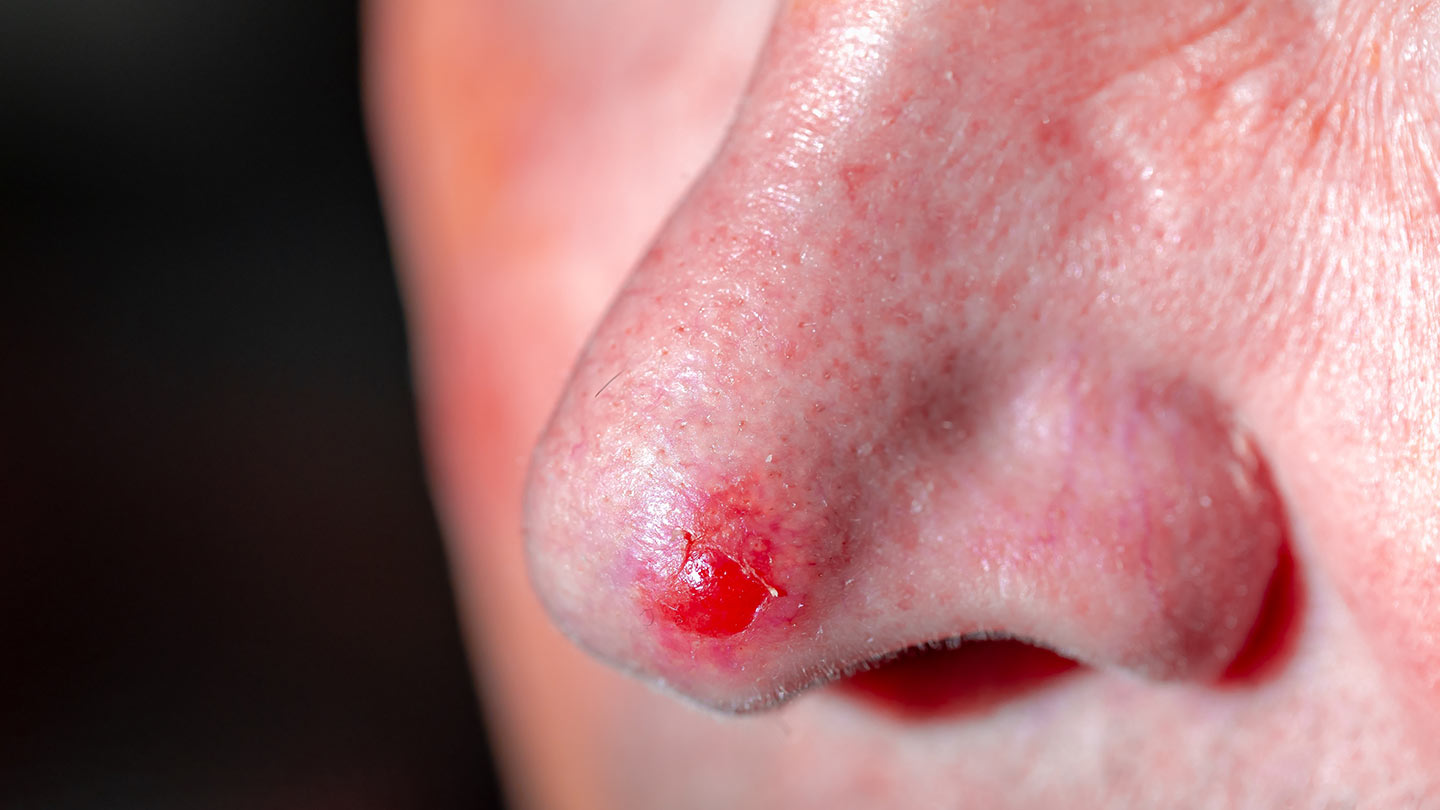
Squamous cell carcinoma (SCC) is the second most common form of skin cancer and can occur on any part of the body, though it is more common in sun-exposed areas. SCC has a higher risk of spreading to nearby lymph nodes than BCC, so prompt and complete treatment is important. Surgical excision removes the tumour with a surrounding margin of healthy tissue.
Plastic & Reconstructive Surgery — Skin
SCC Excision
Squamous cell carcinoma (SCC) is the second most common form of skin cancer and can occur on any part of the body, though it is more common in sun-exposed areas. SCC has a higher risk of spreading to nearby lymph nodes than BCC, so prompt and complete treatment is important. Surgical excision removes the tumour with a surrounding margin of healthy tissue.
Procedure Overview
This procedure is for individuals diagnosed with SCC, confirmed by examination or biopsy.
Aim
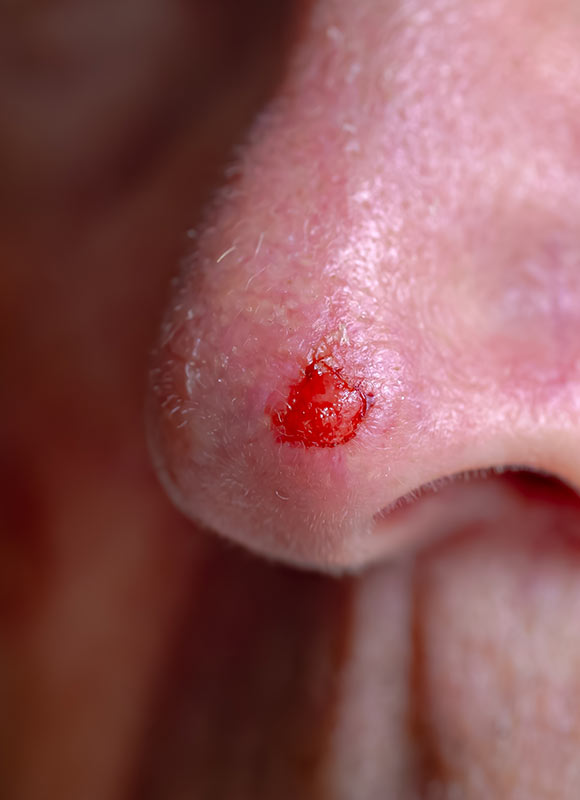
The aim of SCC excision is to remove all cancerous tissue with an adequate margin of healthy skin to prevent recurrence or spread.
At A Glance
Tailored to each patient, this procedure offers transformative results for improved confidence.
Expected results:
Complete removal of SCC with clear margins
Treatment time:
45–90 minutes
Anaesthesia:
Local anaesthetic (general anaesthetic for larger cases)
Recovery time:
1–3 weeks
Return to work:
1–5 days depending on site and occupation
Lifetime of procedure:
Permanent removal of treated lesion

CONSULTATION
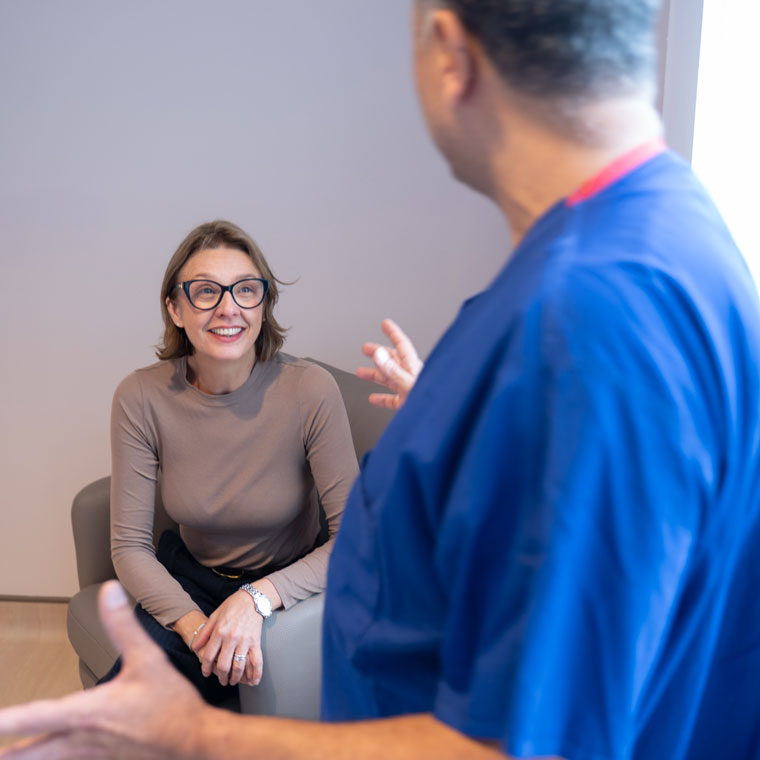
In your consultation, the surgeon will review the pathology report, examine the lesion, and explain the recommended excision margins. They will discuss possible reconstruction options if a larger section of skin needs to be removed. You will be informed about post-surgery monitoring to detect any recurrence or new skin cancers. Occasionally additional consultation with an oncologist will be recommended if extra treatment such as radiotherapy is felt to be appropriate.
SURGERY
After anaesthetic is administered, the surgeon removes the SCC along with a margin of surrounding healthy tissue. The specimen is sent to the lab to confirm that margins are clear of cancer cells. The wound is then closed using sutures, or a skin flap or graft if necessary.
RECOVERY
Recovery involves keeping the wound clean, applying dressings, and avoiding strenuous activities until healing is complete. Some swelling and bruising are normal, and discomfort can be managed with simple pain relief. A follow-up visit will confirm the wound is healing well and review the pathology results.

Related Concerns
This procedure can treat the following conditions providing optimal outcomes.

Frequently Asked Questions
Is SCC excision safe?
SCC (squamous cell carcinoma) excision is considered safe when performed by a qualified surgeon. As with any surgery, there are risks of infection and bleeding. Removing SCC early significantly lowers the risk of it spreading to other parts of the body.
How long does SCC excision take?
Most procedures last 45 minutes to 1.5 hours, depending on the size and depth of the tumour and whether reconstruction is required.
What is the aftercare for SCC excision?
Post-surgery care includes keeping the wound clean and dry, changing dressings as instructed, avoiding excessive movement that could put tension on the wound, and protecting the area from sunlight. Follow-up appointments are essential for monitoring healing and for early detection of any recurrence.
When can I get back to normal activities?
Light activities can often be resumed after a couple of days, but you should avoid strenuous exercise or stretching near the surgical site until cleared by your surgeon.
Does SCC excision require an overnight stay?
It is usually done as a day case under local anaesthetic. You can go home the same day, but may need someone to accompany you.

Guide Price
The cost for each procedure is tailored to each patients needs post a consultation.
Prices start from
Please enquire

Related Procedures
You may also be interested in the following procedures performed by a top specialists in a state-of-the-art setting.
From advanced surgical procedures to less invasive treatments, our expert team are here to ensure you receive safe, personalised and effective care.
Our Professionals
With decades of expertise, your specialist team will guide you through every aspect of your procedure.